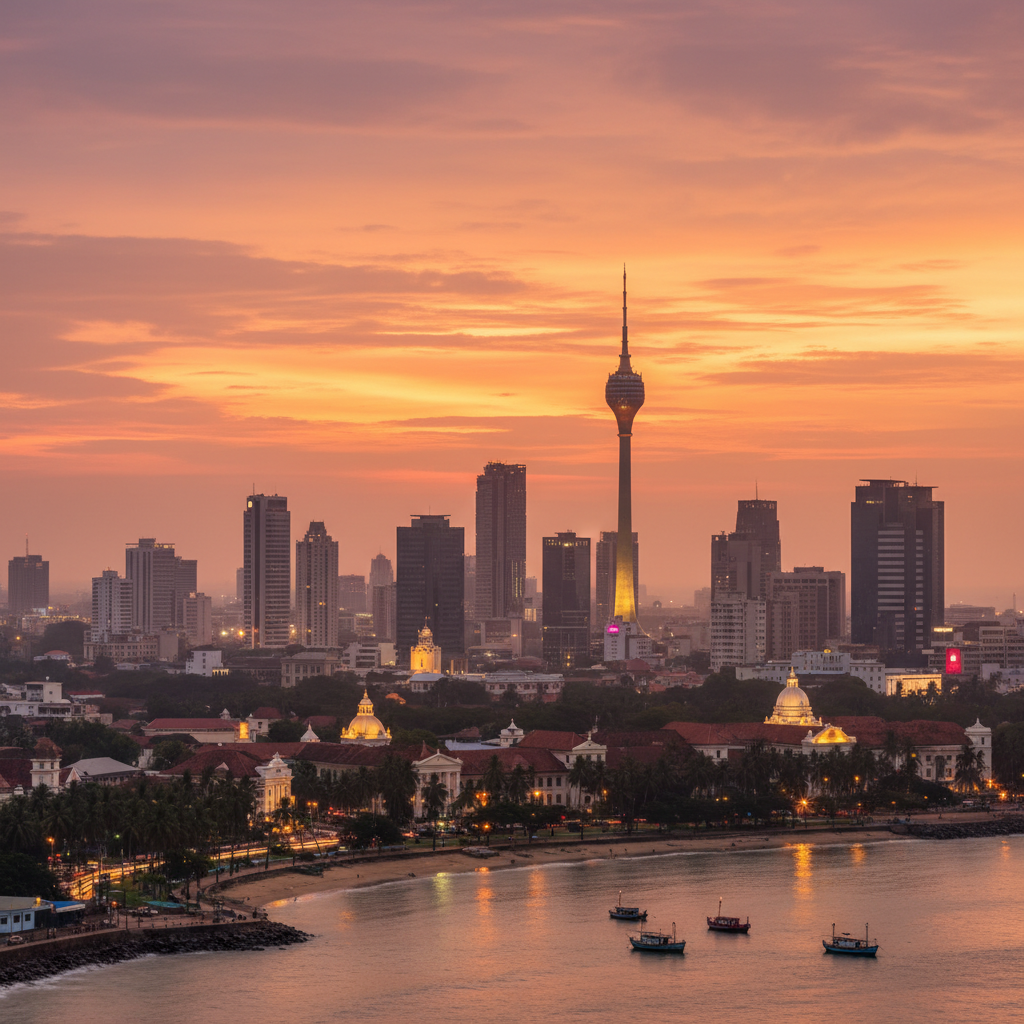
4-Day Colombo City & Culture Itinerary: Explore Sri Lanka's Underrated Capital
Uncover the hidden gems of Colombo with this 4-day city and culture guide. Explore colonial architecture, vibrant markets, ancient temples, and a thriving food scene.
- Duration: 4 Days
- Estimated Budget: $160–$240
- Best Time to Visit: December to March for dry, sunny weather.
- Destination: Colombo, Sri Lanka
Colombo is not just a stopover; it's a destination. This vibrant port city, often overlooked, offers a rich tapestry of colonial history, spiritual sanctuaries, and an explosive culinary scene, making it perfect for the curious culture traveler seeking an authentic Asian urban experience.
The moment you step into the bustling streets of Mount Lavinia, the salty breeze from the Indian Ocean immediately transports you. This coastal suburb, just south of the city center, isn't merely a beach; it's a living postcard where golden sands meet a vibrant local scene. Here, you can watch fishermen haul in their daily catch, dine on freshly grilled seafood as the sun dips below the horizon, and even take a dip in the warm, inviting waters. It’s a perfect introduction to the island's laid-back charm, offering a stark contrast to the urban energy while still being incredibly accessible. This area provides a glimpse into daily life, far from the typical tourist trails, making it an ideal starting point for understanding the city's unique blend of culture and coastline.
Should you worry about navigating the city's public transport system? Here's the reality: while tuk-tuks are plentiful and Grab (similar to Uber) is widely available for ride-hailing, understanding the bus routes or train schedules can be a bit challenging for first-time visitors. The city's transport network is extensive but can feel overwhelming without local insight. Relying solely on taxis can quickly eat into your budget, especially if you're planning multiple excursions. Knowing when to hail a tuk-tuk for short hops, when to use a ride-sharing app for longer journeys, and when a local bus might offer a more authentic (and cheaper) experience is key to unlocking the city without stress. Leif helps you decipher these choices, ensuring smooth transitions between your cultural explorations.
Culture travelers spend their mornings exploring the serene beauty of places like the Seema Malaka Temple, an architectural marvel floating peacefully on a lake, offering a quiet escape from the city's hustle. You'll find yourself captivated by the intricate details of its design, reflecting the deep spiritual roots of the island. Afternoons often involve delving into the city's artistic pulse, perhaps browsing contemporary Sri Lankan art at a gallery in the Kollupitiya district, or catching a performance at a local cultural center. Evenings are then dedicated to savoring the island's diverse flavors, from aromatic curries at a family-run eatery to exploring the lively night markets that pop up across various neighborhoods, each offering a distinct culinary adventure.
Colonial Charms & Market Mayhem: Fort and Pettah Exploration
Start your Colombo adventure at the beautifully restored Dutch Hospital Shopping Precinct, a colonial-era building now housing shops and restaurants.
It's a perfect blend of history and modernity, offering a relaxed introduction to the city's unique architecture and vibrant atmosphere. You can grab a coffee and soak in the ambiance.
Dive into the sensory overload of Pettah Market, Colombo's oldest and most bustling commercial hub.
This is where the real pulse of Colombo beats, offering an authentic glimpse into local life, trade, and culture. You'll find everything from spices and textiles to electronics.
Visit the iconic Jami Ul-Alfar Mosque, also known as the Red Mosque, with its striking red and white striped facade.
It's an architectural marvel and a significant religious landmark, showcasing a unique blend of Indo-Saracenic and Gothic revival styles. The intricate details are truly captivating.
Stroll along Galle Face Green, a sprawling urban park stretching along the Indian Ocean coastline.
This iconic promenade is where locals come to relax, fly kites, and enjoy the sea breeze. It's fantastic for people-watching and experiencing Colombo's laid-back evening vibe.
Experience a traditional Sri Lankan Ayurvedic massage at a reputable spa in the Fort area.
After a day of exploring, an Ayurvedic massage is the perfect way to unwind and immerse yourself in Sri Lanka's ancient healing traditions. It's incredibly relaxing and rejuvenating.
Leif's Tip: Embrace the chaos of Pettah Market; it's an experience for all senses. Don't be afraid to try street food from vendors with long queues – it's usually a sign of deliciousness and freshness. Always carry small denominations of Sri Lankan Rupees for purchases.
The part of Sri Lanka that catches travelers off guard is not the bustling markets or the vibrant street life, but the sheer volume of choices for an authentic cultural dive. Between deciphering which historical sites offer the most profound insights, navigating the labyrinthine alleys of various districts, and ensuring you're tasting the truly local flavors rather than tourist-trap imitations, the city can feel overwhelming before you even arrive. You want to experience the true essence of the island's capital, from its colonial echoes to its spiritual heart, but knowing where to start, what to prioritize, and how to connect these diverse elements into a cohesive journey is a significant challenge. This is precisely where a meticulously crafted itinerary transforms your trip from a series of disconnected activities into a rich, immersive narrative.
Say you want to explore the vibrant street art scene in the Slave Island neighborhood, but you're not sure which specific streets to wander or if there are any hidden galleries worth discovering – Leif already has it mapped out. Your guide will highlight not just the well-known murals, but also the tucked-away installations, complete with background stories on the artists and the cultural significance of their work. Or perhaps you're craving a specific regional curry, but you're unsure which local eatery truly captures its authentic taste. Leif will direct you to a small, family-run restaurant in Borella, known for its generations-old recipes, ensuring you experience the genuine culinary heritage of the island, far beyond generic recommendations. It's about empowering you to make informed, inspired choices in real-time.
You'll arrive in this captivating city knowing exactly where to find the most aromatic spice stalls in the bustling markets, which quiet corners offer the best views of the Indian Ocean, and where to savor a perfectly spiced crab curry without missing a beat. Instead of grappling with maps or endlessly scrolling through reviews, you'll be immersed in the rhythm of the city, feeling the warmth of the sun on your skin as you explore ancient temples, hearing the vibrant chatter of local life, and tasting the rich, complex flavors of authentic cuisine. The difference is feeling completely at ease as you uncover the layers of history and culture, confident that every moment is perfectly curated for an unforgettable journey. Your adventure begins with confidence, ready to embrace every discovery.
Best Time to Visit Colombo, Sri Lanka
December to March: This is the dry season, offering sunny days perfect for exploring the city and enjoying the beaches. Expect pleasant temperatures and minimal rainfall.
July to September: While technically the 'second dry season,' you might encounter occasional afternoon showers. However, it's still a good time to visit, often with fewer crowds and lush green landscapes.
Avoid May to June and October to November: These months bring the southwest and northeast monsoons, respectively, meaning heavy rainfall and high humidity. While travel is still possible, outdoor activities can be limited.
Consider shoulder seasons (April, October): If you don't mind a bit of rain, these months can offer good value on flights and accommodation, with fewer tourists.
Always check the local weather forecast closer to your travel dates, as weather patterns can be unpredictable.
Getting Around Colombo, Sri Lanka
Tuk-tuks (auto-rickshaws) are ubiquitous and the most fun way to get around. Always agree on a price before you start your journey, or insist on using the meter.
Download the PickMe or Uber apps for reliable and metered rides. This is especially useful for longer distances or when you want to avoid haggling.
Public buses are incredibly cheap but can be crowded and confusing for first-timers. Stick to them for shorter, well-known routes if you're feeling adventurous.
Walking is best for exploring specific neighborhoods like Fort or Pettah, but be mindful of traffic and heat. Always carry water.
For day trips outside Colombo, consider hiring a private car and driver. It offers flexibility and comfort, and your hotel can usually arrange this.
What to Pack
- Lightweight, breathable clothing: Cotton and linen are your best friends in Colombo's tropical climate.
- Comfortable walking shoes: You'll be doing a lot of exploring on foot, especially in markets and temples.
- Modest attire for temples: Pack a sarong or lightweight trousers and a shawl to cover shoulders and knees when visiting religious sites.
- Sunscreen and a wide-brimmed hat: The equatorial sun is strong, even on cloudy days.
- Insect repellent: Especially important for evenings or if you're visiting areas near water.
- Reusable water bottle: Stay hydrated and reduce plastic waste. You can refill it at many hotels and cafes.
- Portable power bank: Keep your phone charged for navigation, photos, and ride-hailing apps.
- Small umbrella or rain jacket: Even in the dry season, a sudden shower isn't unheard of.
Money-Saving Tips
- Eat like a local: Street food and small local eateries offer delicious meals at incredibly low prices. Look for places bustling with locals.
- Haggle (politely) in markets: In places like Pettah, bargaining is expected. Start with a lower offer and work your way up.
- Use public transport for some journeys: While tuk-tuks are convenient, a short bus ride can save you a few rupees if you're on a tight budget.
- Stay in guesthouses or budget hotels: Colombo has a good range of affordable accommodation options that offer great value.
- Limit alcohol consumption: Imported alcohol can be quite expensive in Sri Lanka compared to food prices.
- Look for free attractions: Galle Face Green, Viharamahadevi Park, and wandering through Pettah Market are all fantastic and free experiences.
Local Insights
- The 'Ayubowan' greeting: A traditional Sinhala greeting, said with palms pressed together in front of the chest, is a respectful way to acknowledge people.
- Dress modestly, especially when visiting religious sites: This shows respect for local customs and traditions.
- Always use your right hand: When eating or giving/receiving items, it's customary to use your right hand, as the left is considered unclean.
- Be mindful of public displays of affection: While Colombo is a modern city, public displays of affection are generally frowned upon.
- Tipping is appreciated: While not mandatory, a small tip for good service in restaurants, for drivers, or hotel staff is always welcome.
- Try the local snacks: Don't shy away from street food like 'isso wade' (prawn fritters) or 'parippu wade' (lentil fritters) – they're delicious and a true taste of Colombo.
- Buddhism is central to Sri Lankan culture: You'll see many temples and shrines. Be respectful, remove your shoes before entering, and avoid turning your back to Buddha statues for photos.
Frequently Asked Questions
What's the best way to get around Colombo?
For short distances, tuk-tuks are ubiquitous and affordable; always negotiate the fare beforehand or use a meter. For longer journeys, ride-hailing apps like PickMe or Uber are reliable and convenient. Buses are cheap but can be crowded and confusing for visitors. The train system is excellent for scenic trips outside the city, but less practical for urban exploration.
Is Colombo safe for tourists?
Yes, Colombo is generally very safe for tourists. Petty crime like pickpocketing can occur in crowded areas, so always be aware of your belongings. Exercise caution when walking alone at night in less-populated areas. The local police are helpful, and the atmosphere is welcoming.
What's the currency in Sri Lanka and where can I exchange money?
The local currency is the Sri Lankan Rupee (LKR). You can exchange foreign currency at the airport, banks, and authorized money changers throughout the city. ATMs are widely available, and credit cards are accepted in most hotels, larger restaurants, and shops.
What should I wear when visiting religious sites?
When visiting temples or other religious sites, it's essential to dress modestly. This means covering your shoulders and knees. It's also customary to remove your shoes and hats before entering. Some sites may offer wraps or sarongs for rent if you're not appropriately dressed.
What are some must-try local dishes?
You absolutely must try hoppers (bowl-shaped pancakes, often with an egg), kottu roti (chopped flatbread stir-fried with vegetables and meat), and a traditional rice and curry meal. Don't miss out on pol sambol (a spicy coconut relish) and fresh seafood, especially crab curry.
Do I need a visa to visit Sri Lanka?
Most foreign nationals require an Electronic Travel Authorization (ETA) to enter Sri Lanka. You can apply for this online before your trip. Check the official Sri Lankan immigration website for the most up-to-date requirements based on your nationality.
What's the best time of year to visit Colombo?
The best time to visit Colombo is during the dry season, from December to March, when the weather is generally sunny and pleasant. April to September can be hot and humid, with occasional monsoon rains, but travel is still possible and often comes with fewer crowds.