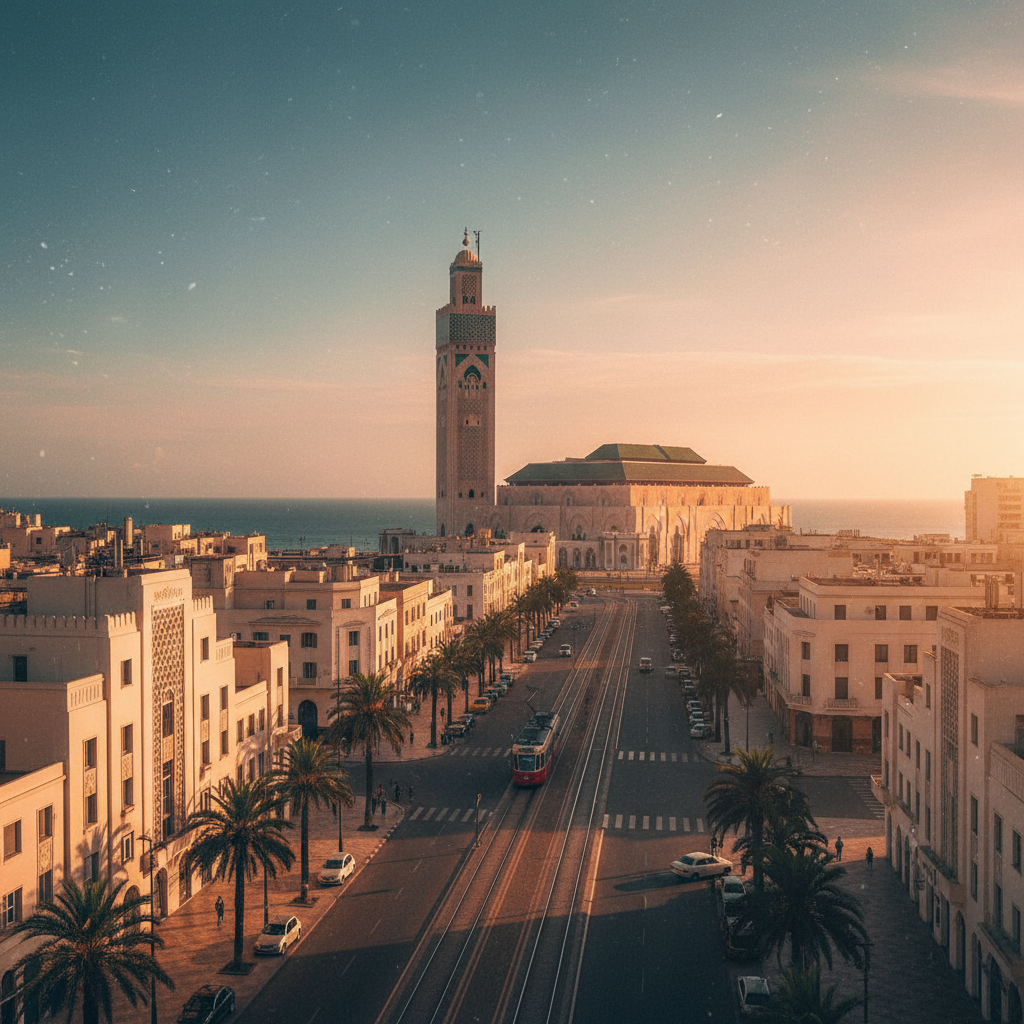
Casablanca's Hidden Gems: A 3-Day Culture & Architecture Guide to Morocco's Modern Marvel
Uncover Casablanca's vibrant Art Deco boulevards and the majestic Hassan II Mosque on a 3-day culture and architecture journey. Discover Morocco's economic heart.
- Duration: 3 Days
- Estimated Budget: $120–$360
- Best Time to Visit: April-May and September-October for pleasant weather and fewer crowds.
- Destination: Casablanca, Morocco
<p><em>Planning a trip to Morocco? Read our <a href="/blog/marrakech-the-city-that-rewires-your-senses">complete Marrakech travel guide</a> for everything you need to know before you go — the medina, food, hammams, day trips, and practical tips.</em></p> Casablanca isn't just a stopover; it's a vibrant tapestry of Art Deco grandeur, Islamic architectural marvels, and a bustling modern Moroccan identity. This guide invites you to peel back the layers of Morocco's largest city, revealing its unique blend of French colonial elegance and authentic local life, far beyond the typical tourist trails.
The moment you step into the bustling streets around Place Mohammed V, a different side of Morocco unfolds. Here, the grand, cream-colored facades of 1930s buildings rise majestically, adorned with intricate geometric patterns and wrought-iron balconies that whisper tales of a bygone era. This isn't the ochre-hued labyrinth of other Moroccan cities; it's a testament to a unique architectural fusion, where French Art Deco sensibilities met traditional Moroccan craftsmanship. You'll find yourself pausing, craning your neck to take in the sheer scale and detail, realizing that this city, often overlooked, holds a treasure trove of design and history just waiting to be discovered, offering a sophisticated urban experience unlike any other in the region.
Should you try to navigate the city's public transport system, or rely on taxis? Here's the reality: while taxis are plentiful and affordable, understanding the local etiquette and ensuring fair pricing can be a minor hurdle for newcomers. For a deeper dive into the city's architectural gems, walking is often the best approach, especially within the compact downtown area. However, for longer distances, like reaching the coastal promenade or the historic quarters, a combination of ride-sharing apps or pre-arranged private transfers can save you time and ensure a smoother journey, allowing you to focus on the sights rather than the logistics of getting there. Knowing when to walk and when to ride makes all the difference.
Culture and architecture enthusiasts spend their mornings delving into the intricate details of the city's unique heritage. You'll find yourself tracing the elegant curves of a municipal building's facade, admiring the vibrant tilework on a fountain in a quiet courtyard, or perhaps sipping a strong coffee at a café that feels plucked straight from a 1940s film set. The rhythm of this city for those passionate about design and history means a delightful blend of guided exploration and serendipitous discovery, often culminating in a leisurely afternoon spent reflecting on the blend of European and North African influences that define its distinctive character.
Coastal Grandeur & Art Deco Charms
Begin your Casablanca adventure with a guided tour of the magnificent Hassan II Mosque, a true architectural marvel perched over the Atlantic.
This is Africa's largest mosque and a breathtaking display of Moroccan craftsmanship. The guided tour is essential to appreciate its scale, from the retractable roof to the laser pointing towards Mecca.
Explore the vibrant streets of the Old Medina, a charming contrast to the city's modern facade, and discover the local fish market.
Unlike the grander medinas of Fes or Marrakech, Casablanca's Old Medina offers an authentic glimpse into local life. It's less touristy and perfect for a relaxed stroll.
Immerse yourself in Casablanca's unique Art Deco architecture with a walking tour of the city center, focusing on iconic buildings.
Casablanca boasts one of the largest collections of Art Deco buildings outside Miami, featuring the distinctive Mauresque style. Marvel at the Palais de Justice, Central Post Office, and the impressive Wilaya building.
Sip a refreshing mint tea and indulge in Moroccan pastries at one of the renowned patisseries in the Habous Quarter, also known as the New Medina.
The Habous Quarter, built by the French, is a charming, planned medina famous for its traditional craft shops and, most importantly, its exceptional pastry shops. It's the perfect spot for an afternoon treat.
Experience the legendary atmosphere of Rick's Cafe, a recreation of the bar from the classic film 'Casablanca'.
While undeniably a tourist magnet, the story behind Rick's Cafe is fascinating – an American woman brought it to life from scratch. It's a fun, nostalgic nod to the city's cinematic fame.
Leif's Tip: Casablanca is a city best explored on foot and with a good sense of adventure. Don't be afraid to wander off the main streets in the Art Deco district to discover hidden architectural gems. Also, always carry small denominations of Moroccan Dirham for street vendors and small purchases.
The part of Casablanca that catches travelers off guard is not its size or bustle, but the sheer volume of intricate architectural details that demand attention at every turn. You might find yourself wondering which grand building to admire next, or how to distinguish between the various Art Deco styles that blend seamlessly with traditional Moroccan motifs. Navigating the sprawling city to find the best examples of Mauresque design, or knowing the optimal time to visit the coastal promenade to truly appreciate its Sunday energy, can feel like a daunting task. This is precisely where Leif steps in, transforming potential confusion into a clear, compelling itinerary that highlights the city's unique cultural and architectural narrative, ensuring you don't miss a single breathtaking facade or a hidden gem.
When you're standing in the bustling heart of the Habous Quarter, wondering which pastry shop offers the most authentic Moroccan sweets or where to find that perfect, ornate teapot, Leif has already anticipated your curiosity. Your personalized guide will direct you to Patisserie Bennis Habous, a local institution renowned for its almond briouats and chebakia, complete with the insider tip to enjoy them with a freshly brewed mint tea in their charming courtyard. Or perhaps you're debating whether to visit the fish market in the Old Medina in the morning or afternoon for the best selection; Leif will advise on the optimal timing to witness the lively auctions and secure the freshest catch, even suggesting a nearby local eatery that will grill your selection on the spot.
You'll arrive in Casablanca knowing exactly how to unlock its many layers, from its grand, ocean-facing mosque to its charming, French-influenced neighborhoods. Instead of feeling overwhelmed by choices or unsure of where to find the most authentic experiences, you'll move through the city with a sense of purpose and discovery. The difference is feeling the cool Atlantic breeze as you stroll along the Corniche, confident that you've already secured your spot for the Hassan II Mosque tour, and knowing that a table awaits you at a fantastic seafood restaurant. Arriving in Morocco's economic powerhouse with every architectural marvel and cultural insight already mapped out means you can simply immerse yourself in the vibrant energy and unique beauty of this often-misunderstood city, creating memories that truly capture its essence.
Best Time to Visit Casablanca, Morocco
Spring (April-May) and Autumn (September-October) offer the most pleasant weather, with comfortable temperatures for exploring.
Avoid mid-summer (July-August) when temperatures can be very high and the city can feel quite humid.
Ramadan can impact opening hours and restaurant availability, so check dates if planning a visit during this time.
Early mornings are ideal for visiting popular sites like the Hassan II Mosque to avoid crowds and enjoy softer light.
Weekends, especially Sundays, bring a lively atmosphere to the Corniche as locals promenade and enjoy the seaside.
Getting Around Casablanca, Morocco
Taxis are readily available and affordable; always insist on the meter (compteur) or agree on a price before starting your journey.
The tramway is a modern and efficient way to navigate the city center, connecting key areas like the Art Deco district and Habous Quarter.
For longer distances or day trips, consider using a 'grand taxi' (shared taxi) for a more authentic and budget-friendly experience.
Walking is the best way to explore the Old Medina and Habous Quarter, allowing you to discover hidden gems and local life.
If arriving from other cities, the train is a comfortable and reliable option, especially the high-speed Al Boraq service to Tangier or regular trains to Marrakech.
What to Pack
- Lightweight, breathable clothing (cotton, linen) suitable for warm weather and respectful of local customs.
- Comfortable walking shoes are essential for exploring the city's various neighborhoods and historical sites.
- A light scarf or shawl for women to cover shoulders or head when entering religious sites like the Hassan II Mosque.
- Sunscreen, sunglasses, and a wide-brimmed hat to protect against the strong Moroccan sun.
- A reusable water bottle to stay hydrated throughout your explorations.
- A small backpack or day bag for carrying essentials like water, camera, and souvenirs.
- A portable power bank for your phone, as you'll be using it frequently for navigation and photos.
- A light jacket or sweater for cooler evenings, especially if near the coast.
Money-Saving Tips
- Embrace street food and local eateries, especially in the Old Medina and Habous Quarter, for delicious and affordable meals.
- Haggle politely when shopping in souks or markets; it's part of the cultural experience and expected.
- Utilize the tramway for getting around the city center instead of relying solely on taxis.
- Look for accommodations slightly outside the immediate tourist hotspots; you can often find better value and more authentic experiences.
- Buy fresh produce and snacks from local markets rather than convenience stores for significant savings.
Local Insights
- Always greet people with 'Salam Alaikum' (peace be upon you) and 'Shukran' (thank you); a little Arabic goes a long way.
- Be prepared for a slower pace of life; things may not always run exactly on schedule, so embrace the relaxed atmosphere.
- Dress modestly, especially when visiting religious sites or less touristy areas, to show respect for local customs.
- The call to prayer (adhan) is heard five times a day; it's a beautiful part of Moroccan life and worth pausing to appreciate.
- Mint tea is a symbol of Moroccan hospitality; accept it graciously when offered, as it's a sign of welcome and friendship.
Frequently Asked Questions
Is Casablanca worth visiting, or should I just go to Marrakech or Fes?
Casablanca is absolutely worth visiting, especially for those interested in unique architecture, modern Moroccan culture, and a less tourist-centric experience. It offers a distinct urban vibe with its Art Deco heritage and coastal setting, providing a fascinating contrast to the imperial cities like Marrakech or Fes. Don't skip it if you appreciate grand boulevards and a dynamic city life.
What is the best way to get around Casablanca?
For exploring the downtown Art Deco district, walking is ideal. For longer distances, taxis are readily available and affordable, but agree on the price beforehand or ensure the meter is used. Ride-sharing apps are also an option. The tramway is efficient for specific routes, connecting key areas of the city.
Do I need to book the Hassan II Mosque tour in advance?
While not strictly mandatory to book far in advance, it's highly recommended to check the tour schedule online and arrive early, especially for morning tours. Guided tours are the only way for non-Muslims to enter the mosque, and they run at specific times. Booking ahead ensures your spot and helps you plan your day efficiently.
What's the food like in Casablanca, beyond tagine and couscous?
Casablanca, being a coastal city, is renowned for its incredible seafood. You'll find fresh grilled fish, seafood platters, and ceviche-style dishes. The city also has a strong French-Moroccan culinary fusion, meaning excellent patisseries, French bistros, and a more diverse range of international cuisine than other Moroccan cities. Don't miss the local pastries!
Is Casablanca safe for tourists?
Casablanca is generally safe for tourists. Like any large city, it's wise to be aware of your surroundings, especially in crowded areas or at night. Keep an eye on your belongings and avoid displaying excessive wealth. Using reputable taxis or ride-sharing services is advisable, especially after dark. The locals are generally welcoming and helpful.
What's the dress code for visiting the Hassan II Mosque?
When visiting the Hassan II Mosque, women should dress modestly, covering their shoulders and knees. A headscarf is also required. Men should also dress respectfully, avoiding shorts. While not strictly enforced for tourists, it's a sign of respect to cover up. Comfortable walking shoes are also a good idea as there's a fair amount of walking involved.
Can I combine a trip to Casablanca with Marrakech?
Absolutely! Casablanca and Marrakech combine beautifully. The train journey between the two cities is efficient and comfortable, taking approximately 3.5 hours. Many travelers choose to start in Casablanca for its unique urban and architectural appeal, then head to Marrakech for its traditional medina and vibrant souks, offering a comprehensive Moroccan experience.