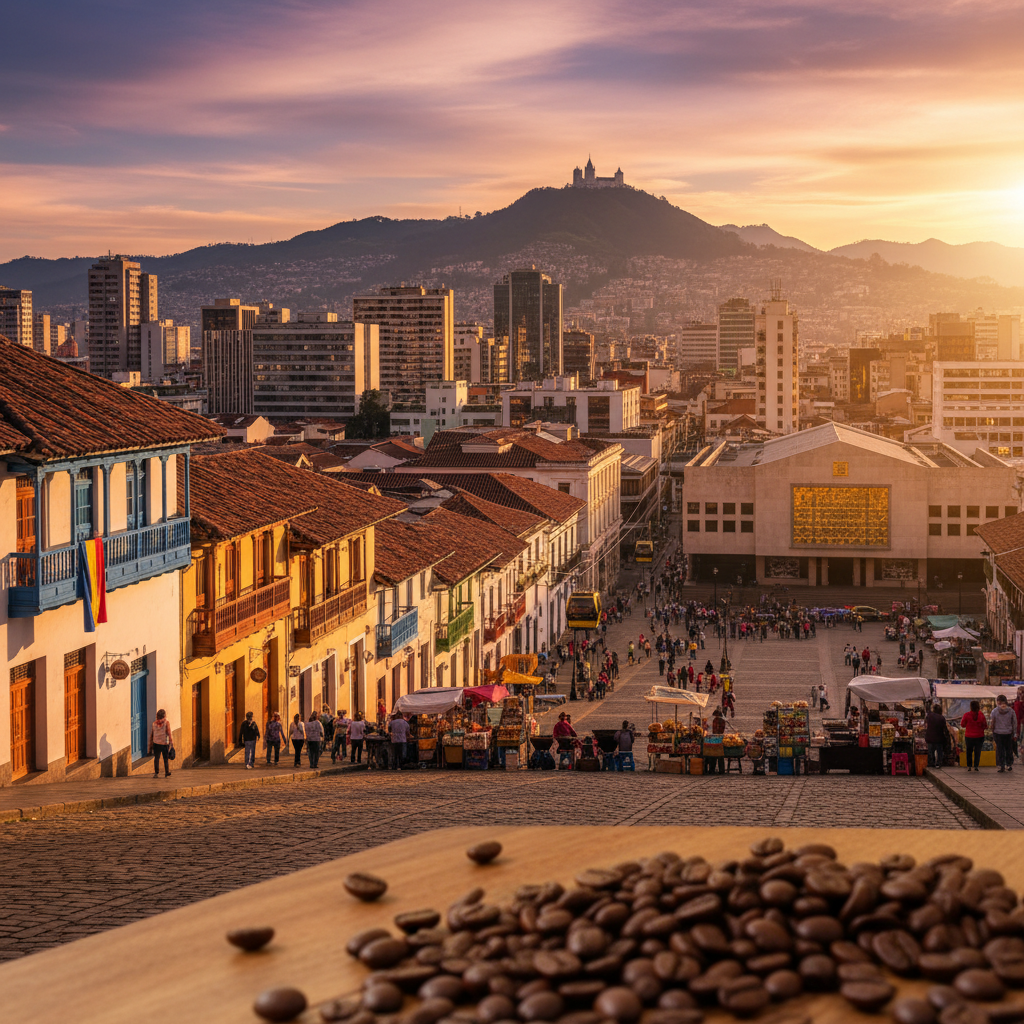
Bogotá Beyond the Basics: A 4-Day Deep Dive into Colombia's Capital
Uncover Bogotá's true identity with this 4-day guide. Explore world-class museums, vibrant street art, and the best of Colombian coffee culture.
- Duration: 4 Days
- Estimated Budget: $350–$900
- Best Time to Visit: December-March for dry, sunny weather; June-September for slightly cooler, cloudier days.
- Destination: Bogotá, Colombia
Bogotá, a city often misunderstood, is a high-altitude marvel begging for a deeper exploration. This 4-day itinerary goes beyond the surface, immersing you in its world-class museums, pioneering food scene, and the intoxicating aroma of its coffee culture, revealing why this Andean capital is Latin America's most exciting secret.
The moment you step into the historic heart of the capital, you're immediately struck by the vibrant clash of old and new. Grand colonial architecture, with its intricate balconies and heavy wooden doors, stands proudly alongside modern murals that explode with color and political commentary. The air carries the faint scent of roasting coffee and street food, a constant invitation to explore further. This is a city that wears its history and its contemporary spirit on its sleeve, offering endless opportunities for discovery around every cobblestone corner. You'll find yourself drawn into bustling plazas, where the rhythm of daily life unfolds against a backdrop of centuries-old cathedrals and government buildings, each telling a story of this resilient South American metropolis.
Should you worry about safety in a city of this size? Here's the reality: like any major urban center, Bogotá has areas best avoided, but its main tourist zones and vibrant cultural hubs are remarkably secure and welcoming. The perception of danger often lags years behind the significant improvements in urban security and infrastructure. Focus your exploration on well-trafficked neighborhoods, especially after dark, and utilize reputable transport options. The local community is incredibly proud of their city and generally eager to help visitors feel comfortable and enjoy its many offerings. You’ll quickly discover that the warmth of its people and the richness of its experiences far outweigh any lingering, outdated concerns.
Travelers exploring this Andean capital spend their mornings delving into its rich cultural tapestry, perhaps starting with a deep dive into ancient civilizations through its unparalleled artifact collections. Afternoons often involve wandering through charming districts, where every street reveals another layer of artistic expression or a hidden culinary gem. The rhythm of the city invites lingering over a meticulously prepared beverage, savoring the nuances of local flavors. Evenings transition into lively dining experiences, from casual street-side bites to sophisticated gastronomic adventures, reflecting the city’s dynamic culinary evolution. You'll find yourself constantly engaged, moving from historical contemplation to contemporary enjoyment, all within the embrace of a truly unique urban landscape.
faq
Colonial Charms, Golden Treasures, and Zona Rosa Nights
Begin your Bogotá adventure in La Candelaria, the historic heart of the city, by exploring Plaza de Bolívar.
This grand square is surrounded by architectural marvels like the Primary Cathedral of Bogotá and the Palace of Justice. It's the perfect place to soak in centuries of Colombian history and witness daily life unfold.
Wander over to the Botero Museum, a true gem in La Candelaria, showcasing Fernando Botero's iconic 'fat' art.
This free museum houses a remarkable collection of Botero's own works, alongside pieces by Picasso, Dalí, and Monet. It's an accessible and delightful introduction to world-class art.
Immerse yourself in the breathtaking collection at the Gold Museum (Museo del Oro), a must-see for any visitor to Bogotá.
Housing over 55,000 pre-Columbian gold artifacts, including the Muisca raft, this museum tells the story of ancient civilizations and their spiritual connection to gold. The Sala Dorada, where 8,000 gold objects are dramatically revealed, is an unforgettable experience.
Take a leisurely stroll through the colorful streets of La Candelaria, admiring the vibrant street art.
Bogotá boasts one of Latin America's most significant street art scenes, with murals that are both visually stunning and politically charged. Every corner reveals a new masterpiece, telling stories of Colombian culture and history.
Experience the vibrant nightlife and culinary scene of Zona Rosa, Bogotá's upscale entertainment district.
This modern neighborhood is where Bogotá's young professionals gather to dine and socialize, offering a stark contrast to the historic charm of La Candelaria. It's safe, lively, and packed with excellent restaurants and bars.
Leif's Tip: Upon arrival, take it easy and hydrate frequently due to Bogotá's high altitude. Start with lighter activities and save strenuous walking for later in your trip. A small tinto (black coffee) from a street vendor is a perfect pick-me-up and a true local experience.
Bogotá has an incredible array of dining options, and knowing which ones are genuinely worth your time and pesos is the difference between a forgettable meal and a culinary revelation. It's not just about finding a restaurant; it's about understanding the specific regional specialties, navigating the nuances of a menu written in Spanish, and discerning between tourist traps and authentic local favorites. For instance, knowing where to find the best ajiaco, a traditional chicken and potato soup, or which street vendor offers the most flavorful buñuelos, a fried cheese bread, can elevate your entire experience. Without insider knowledge, you might miss out on hidden gems or end up in a place that doesn't truly represent the city's vibrant food scene. This is precisely where Leif steps in, cutting through the noise to deliver truly exceptional recommendations tailored to your tastes.
When you're standing in the vibrant streets of Usaquén on a Sunday, surrounded by artisan crafts and the aroma of street food, wondering which stall offers the most authentic obleas or where to find a unique, handcrafted souvenir, Leif is right there with you. Say you're craving a specific type of coffee, perhaps a single-origin pour-over from a micro-lot farm, but you're not sure which of the city's many specialty cafes prioritizes ethical sourcing and expert brewing. Leif already has that covered, pointing you to a hidden gem like Varietale, where the baristas are passionate educators and the beans are meticulously selected. You land in the capital, pull up Leif, and within seconds you know not just where to go, but why it's special, what to order, and how to make the most of every moment, transforming potential indecision into confident exploration.
You'll arrive in this incredible high-altitude city knowing exactly where to find the most breathtaking views without the crowds, where to sip the finest coffee brewed by true connoisseurs, and which neighborhoods pulse with the most authentic local energy. Instead of feeling overwhelmed by the sheer size and options, you'll feel a sense of calm confidence, ready to immerse yourself in its unique charm. The difference is in those small, perfectly timed recommendations: knowing the best time to visit the Botero Museum to avoid peak hours, or which specific street art mural tells the most compelling story of the city's past. Arriving in this Andean metropolis with these specific preparations already done means your trip transforms from a mere visit into a deeply personal and unforgettable adventure, allowing you to truly connect with its soul.
Best Time to Visit Bogotá, Colombia
Bogotá has two dry seasons: December to March and July to August. These months offer the most sunshine and least rain, making outdoor activities like Monserrate and walking tours much more enjoyable.
Avoid the rainy seasons, especially April-May and September-November, when afternoon downpours are common and can disrupt plans.
Consider visiting during a local festival for an extra cultural experience, but be aware that hotels and flights might be pricier. Check the city's event calendar for dates.
Weekends are great for exploring neighborhoods like Usaquén, especially for its Sunday market, but expect larger crowds at popular attractions like Monserrate.
Arrive on a Sunday if you want to visit the Gold Museum for free and experience the lively atmosphere of Usaquén's flea market.
Getting Around Bogotá, Colombia
Use ride-sharing apps like Uber or Cabify for safe and convenient travel, especially at night. They are generally more reliable and transparent with pricing than street taxis.
For shorter distances during the day, official yellow taxis are fine, but always confirm the fare or ensure the meter is running. It's best to have small Colombian pesos for these.
The TransMilenio bus system is extensive and efficient for getting around, but it can be very crowded during peak hours. Purchase a Tullave card at any station to use it.
Walking is the best way to explore La Candelaria and Chapinero. Wear comfortable shoes and be mindful of uneven sidewalks and inclines.
Consider hiring a private driver for day trips or airport transfers, especially if you're traveling with luggage or a group. Many hotels can arrange this for you.
What to Pack
- Layers, layers, layers! Bogotá's weather can change quickly, from cool mornings to warm afternoons, and chilly evenings. A light jacket, sweater, and t-shirts are essential.
- A waterproof jacket or umbrella is a must, even during the dry season, as unexpected showers can occur.
- Comfortable walking shoes are non-negotiable. You'll be doing a lot of walking on cobblestones and up hills.
- Sunscreen and a hat are important due to Bogotá's high altitude. The sun's rays are much stronger here, even on cloudy days.
- Altitude sickness medication (e.g., ibuprofen, or ask your doctor for prescription options) is a good idea. Drink plenty of water upon arrival.
- A reusable water bottle to stay hydrated, especially with the altitude. Tap water in Bogotá is generally safe to drink.
- A small daypack for essentials like water, snacks, camera, and an extra layer.
- Power adapter for Colombian outlets (Type A/B, 110V).
Money-Saving Tips
- Embrace street food! Empanadas, arepas, and obleas from street vendors are delicious, authentic, and incredibly cheap, often costing less than a dollar.
- Take advantage of free attractions like the Botero Museum, the Plaza de Bolívar, and the Gold Museum on Sundays.
- Opt for a 'menú del día' (lunch special) at local restaurants. These are typically multi-course meals for a fixed, affordable price, usually between €5-10.
- Walk whenever possible, especially in neighborhoods like La Candelaria. It's not only free but also the best way to soak in the atmosphere.
- Buy your coffee like a local: a 'tinto' from a street vendor is just as good as a fancy cafe and costs a fraction of the price (around €0.30-0.50).
Local Insights
- Always carry a copy of your passport (digital or physical) and keep your actual passport secured in your accommodation. It's often required for official transactions.
- Learn a few basic Spanish phrases. While many people in tourist areas speak English, a little Spanish goes a long way in showing respect and enhancing your interactions.
- Be mindful of your belongings, especially in crowded areas like markets and public transport. Use common sense and avoid displaying expensive items.
- Don't be afraid to try 'changua' for breakfast – this milk and egg soup is a true Bogotá specialty and a comforting start to the day.
- Take it easy on your first day due to the altitude. Avoid strenuous activity, drink plenty of water, and limit alcohol consumption to help your body adjust.
Frequently Asked Questions
What's the best way to get around Bogotá?
The TransMilenio bus system is efficient for longer distances, but for shorter trips within neighborhoods like La Candelaria or Chapinero, walking is best. Taxis and ride-sharing apps (Uber, Cabify, Didi) are readily available and affordable for safe, door-to-door transport, especially at night.
Is Bogotá safe for tourists?
Yes, Bogotá is generally safe for tourists, especially in well-known areas like La Candelaria, Zona Rosa, Chapinero, and Usaquén. Exercise common sense: avoid flashing valuables, be aware of your surroundings, and don't walk alone in unfamiliar areas at night. The city has transformed significantly in the last 15 years.
What's the altitude like, and how can I avoid altitude sickness?
Bogotá is at 2,640 meters (8,660 feet) above sea level. Take it easy on your first day, stay hydrated, avoid excessive alcohol, and eat light meals. Most people adjust within 24-48 hours. Coca tea (mate de coca) can also help alleviate symptoms.
What's the currency, and should I carry cash?
The currency is the Colombian Peso (COP). While credit cards are accepted in most restaurants and shops in tourist areas, it's essential to carry small denominations of cash for street food vendors, small purchases, and tips. ATMs are widely available.
What's the tipping etiquette in Bogotá?
Tipping is appreciated but not always expected. In restaurants, a 10% service charge (propina) is often added to the bill; you can ask for it to be removed if you wish. For tour guides, 5,000-10,000 COP is standard. For street vendors, rounding up is common.
What's the weather like in Bogotá?
Bogotá has a spring-like climate year-round, with average temperatures around 14°C (57°F). It can be quite rainy, especially in April-May and October-November. Always carry layers and a waterproof jacket, as the weather can change quickly.
What are some must-try local dishes and drinks?
Beyond empanadas and arepas, try ajiaco (a hearty chicken and potato soup), bandeja paisa (a massive platter of various meats, beans, rice, and plantain), and obleas (wafer sandwiches with caramel). For drinks, try fresh fruit juices (lulo, maracuyá) and, of course, Colombian coffee.