Bogotá Food & Culture: A 4-Day Culinary Journey Through Colombia's Capital
Uncover Bogotá's underrated culinary scene on this 4-day food and culture guide. From traditional Ajiaco to modern Colombian gastronomy, savor every bite.
- Duration: 4 Days
- Estimated Budget: $800–$1,500
- Best Time to Visit: December-March for dry season and sunny days
- Destination: Bogotá, Colombia
Bogotá's altitude isn't just for dramatic mountain views; it's the secret ingredient in a food scene that's hearty, innovative, and deeply rooted in Colombian tradition. This guide dives fork-first into the capital's unique culinary identity, from ancient recipes to the cutting-edge kitchens redefining South American cuisine.
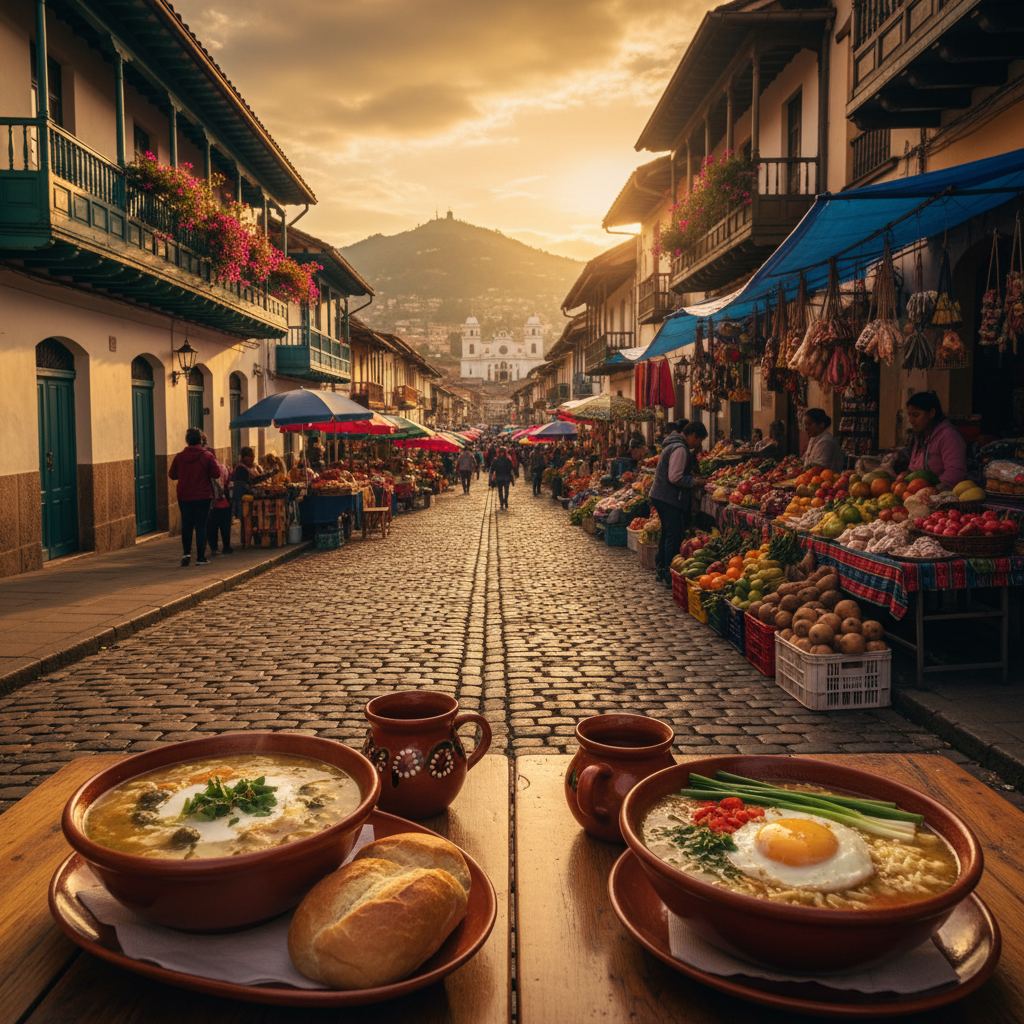
Stepping into the vibrant streets of Usaquén on a Sunday morning, you're immediately enveloped in a symphony of aromas and sounds. The air hums with the chatter of vendors and the sizzle of street food, a stark contrast to the city's modern pulse. Here, amidst the colonial architecture and cobblestone paths, you can taste the soul of Bogotá in every bite – from perfectly crisp empanadas to exotic fruits you’ve never seen before. It's a place where tradition isn't just preserved; it's celebrated on every plate, inviting you to explore the rich tapestry of Colombian flavors that define this high-altitude capital. This neighborhood isn't just a market; it's a living, breathing culinary museum.
Is it truly possible to experience the depth of Colombian food culture beyond the tourist traps? Here's the reality: Bogotá's culinary scene is incredibly diverse and often hidden in plain sight, requiring a discerning eye to navigate. Many visitors stick to well-trodden paths, missing out on the authentic, generations-old eateries and the burgeoning new wave of innovative chefs. The secret lies in knowing where locals go, understanding the nuances of regional ingredients, and being open to adventures that might take you off the main avenues. It's about finding that tiny, unassuming spot serving the best lechona or discovering a coffee shop that roasts its own beans with unparalleled expertise.
You'll find yourself starting your mornings with a comforting bowl of something warm and hearty, perhaps a creamy soup, a staple that perfectly combats the cool mountain air. Afternoons often involve a deep dive into bustling markets, where the sheer variety of tropical fruits and indigenous produce is a feast for the senses, leading to impromptu tastings and discoveries. Evenings are reserved for exploring the city's innovative dining scene, where traditional ingredients are transformed into modern masterpieces, or for joining the lively atmosphere of a traditional fritanga spot, savoring rich, savory delights. This rhythm of eating, exploring, and savoring is what truly defines a food-focused journey here.
A Taste of History: Changua, Ajiaco, and Paloquemao's Bounty
Start your culinary adventure with a traditional Bogotano breakfast at Café de la Peña, Bogotá's oldest café.
This historic spot offers a true taste of local morning rituals, serving up a comforting changua that's been perfected over generations. It's the perfect introduction to the hearty, warming flavors of the high-altitude capital.
Wander through the historic streets of La Candelaria, soaking in the vibrant colonial architecture and street art.
This neighborhood is the heart of Bogotá's history and culture, offering a beautiful backdrop to your food explorations. It's a great way to walk off breakfast and build an appetite for lunch while experiencing the city's artistic soul.
Enjoy lunch at La Puerta Falsa, the most famous traditional restaurant in Bogotá, open since 1816.
This iconic establishment is a culinary institution, renowned for its definitive ajiaco santafereño. You're not just eating a meal; you're experiencing centuries of Bogotano culinary tradition in a truly authentic setting.
Immerse yourself in the sensory overload of Paloquemao Market, Bogotá's largest food market.
This market is a vibrant tapestry of Colombian agriculture, offering an incredible array of exotic fruits, vegetables, and flowers. It's an essential experience to understand the raw ingredients that form the backbone of Colombian cuisine.
Enjoy a casual, authentic dinner at a local eatery in La Candelaria, perhaps trying some traditional Colombian fritanga.
After a day of iconic dishes, a more relaxed dinner allows you to sample a variety of smaller, traditional bites. It’s a great way to experience everyday Colombian comfort food in a lively, local setting.
Leif's Tip: Wear comfortable shoes for today's explorations, especially for Paloquemao Market. Also, don't be afraid to try new fruits at the market – many vendors are happy to let you sample before you buy, and it's an incredible way to discover unique Colombian flavors.
Bogotá has a sprawling urban landscape, and knowing which parts to explore for truly authentic culinary experiences is the difference between a generic meal and a memorable one. The sheer volume of restaurants, from hole-in-the-wall gems to Michelin-starred contenders, can be overwhelming. Then there's the challenge of understanding local customs, navigating the city's unique transportation, and ensuring you're tasting dishes prepared with the freshest, most traditional ingredients. You want to avoid tourist traps that serve watered-down versions of classic dishes, but how do you find the places where grandmothers still cook like they did generations ago, or where innovative chefs are pushing boundaries with indigenous ingredients? This is precisely where most travelers get stuck, spending precious vacation time researching instead of savoring.
When you're standing in the bustling heart of Chapinero, wondering where to find the perfect specialty coffee that showcases Colombia's rich bean diversity, Leif already has you covered. Instead of endlessly scrolling through reviews or wandering aimlessly, your personalized itinerary directs you straight to Amor Perfecto, a true pioneer in Bogotá's coffee scene, known for its meticulous sourcing and expert baristas. Leif anticipates your desire for a deep dive into local flavors, guiding you to specific stalls within Paloquemao market for the best lechona, ensuring you don't miss a single authentic bite. It's about transforming potential confusion into confident exploration, making every meal an intentional discovery rather vitreous guesswork.
Arriving in the capital with your culinary journey meticulously mapped out means you'll spend less time planning and more time indulging. You'll wake up each morning with a clear sense of purpose, knowing exactly where to find the most comforting breakfast or the most innovative dinner. Instead of worrying about navigating unfamiliar streets or deciphering menus, you'll be fully immersed in the aromas, textures, and tastes of Colombian cuisine. The difference is savoring every spoonful of ajiaco, appreciating the nuanced flavors of a perfectly brewed tinto, and feeling connected to the city's vibrant food culture. You'll leave Bogotá not just fed, but deeply nourished by an unforgettable gastronomic adventure, already dreaming of your next visit.
Best Time to Visit Bogotá, Colombia
Bogotá enjoys a fairly consistent cool climate year-round, but the driest months (and often sunniest) are December to March and July to August, which are ideal for exploring markets and walking tours.
Avoid October and April, which tend to be the rainiest months, making outdoor market visits less enjoyable.
Weekends are fantastic for the Usaquén flea market and a more relaxed vibe in some neighborhoods, but be prepared for larger crowds.
If you're keen on the freshest produce at Paloquemao Market, aim for a weekday morning when the selection is at its peak and it's less crowded than on weekends.
Consider visiting during a food festival if your dates align; Bogotá hosts several throughout the year celebrating local ingredients and dishes.
Getting Around Bogotá, Colombia
For navigating within the city, stick to ride-sharing apps like Uber or Cabify for convenience and safety, especially at night. Always confirm your driver and vehicle details.
Bogotá's TransMilenio bus system is extensive but can be overwhelming and crowded for first-time visitors; save it for shorter, well-researched routes if you're feeling adventurous.
Walking is the best way to experience La Candelaria's historic charm and discover hidden food gems, but always be aware of your surroundings and avoid displaying valuables.
For the trip to Andrés Carne de Res in Chía, arrange a round-trip taxi or ride-share in advance, as it's a bit of a journey outside the city and can be tricky to find transport back late at night.
Consider renting a bicycle for a portion of your trip, especially on Sundays when many main roads are closed to traffic for the 'Ciclovía' – a unique way to see the city and find food stalls.
What to Pack
- Layers of clothing, as Bogotá's weather can change quickly from cool mornings to warmer afternoons, and then cool evenings.
- A waterproof jacket or umbrella, as sudden rain showers are common, even outside the rainy season.
- Comfortable walking shoes are essential for exploring markets and historic neighborhoods on foot.
- A small daypack to carry water, snacks, and any market purchases you might make.
- A portable charger for your phone, as you'll be using it for navigation, photos, and ride-sharing apps.
- Sunscreen and a hat, despite the altitude and often cloudy skies, the UV index can be high.
- Altitude sickness medication or remedies, as Bogotá's high elevation can affect some travelers.
- An open mind and an empty stomach – you'll want to try everything!
Money-Saving Tips
- Embrace street food! Obleas, empanadas, and arepas from vendors are delicious, authentic, and incredibly budget-friendly ways to eat.
- Look for 'menú del día' (set lunch menu) at local restaurants, especially outside of tourist-heavy areas, for a hearty and affordable meal.
- Shop for fresh fruits and snacks at Paloquemao Market; it's much cheaper than supermarkets and a fantastic experience.
- Limit your alcohol consumption, especially at upscale restaurants; drinks can quickly add up and inflate your bill.
- Take advantage of free walking tours (tip your guide generously!) that often include stops at local eateries or markets, giving you insights into affordable food spots.
Local Insights
- Don't be afraid to try 'ajiaco santafereño' at La Puerta Falsa; it's the quintessential Bogotá dish and a must-try for any food enthusiast.
- When ordering coffee, 'tinto' means a small black coffee, while 'café con leche' is coffee with milk. Specify if you want specialty coffee.
- Colombians eat dinner relatively early, often between 7 PM and 9 PM. Some restaurants might close earlier than you'd expect in other major cities.
- Tipping is customary for good service, usually around 10% in restaurants. For street food vendors, rounding up or a small extra coin is appreciated.
- Engage with vendors at Paloquemao and Usaquén markets; they are often happy to share information about their produce and offer samples, especially if you show genuine interest.
Frequently Asked Questions
What are the must-try traditional dishes in Bogotá?
You absolutely must try ajiaco santafereño, a hearty chicken and potato soup, and changua, a milk-based breakfast soup. Don't leave without sampling obleas (wafer sandwiches) and lechona (stuffed roasted pig).
Is Bogotá tap water safe to drink?
Yes, Bogotá's tap water is generally considered safe to drink. However, if you have a sensitive stomach, bottled water is always a safe alternative.
What's the best way to get around Bogotá for food exploration?
For exploring different culinary neighborhoods, a combination of ride-sharing apps (like Uber or Cabify) and walking within specific areas is ideal. The TransMilenio bus system is efficient for longer distances, but can be crowded.
Are reservations necessary for popular restaurants?
For high-end or very popular restaurants like Leo, reservations are essential and should be made weeks in advance. For most traditional or casual eateries, you can usually walk in, though popular lunch spots might have a short wait.
What should I know about tipping in Bogotá restaurants?
A 10% service charge (propina) is often added to the bill, especially in nicer restaurants. You can decline it if service was poor. If it's not included, 10% is a good standard for good service.
How can I find authentic street food safely?
Look for street food vendors with long lines of locals, indicating popularity and freshness. Observe hygiene practices, and opt for freshly prepared items that are cooked thoroughly. Paloquemao market is a great place for diverse and safe street food options.
What's the best time of year to visit Bogotá for food and culture?
Bogotá has a fairly consistent cool climate year-round. The drier months from December to March and July to August are generally preferred for exploring, as less rain makes walking and outdoor market visits more pleasant.