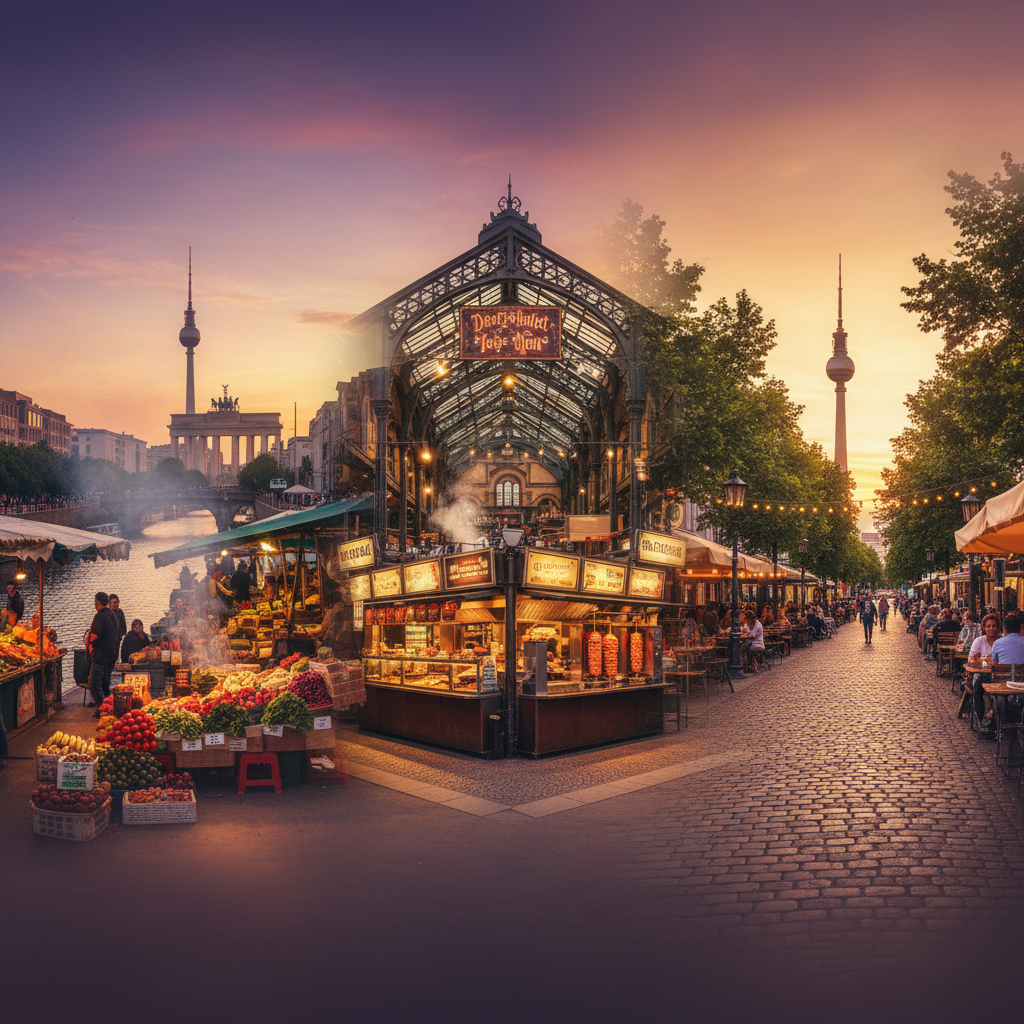
Berlin Food Guide: 5 Days of Döner, Brunch, and Natural Wine
Explore Berlin's vibrant culinary scene on a 5-day food tour. From iconic döner and bustling markets to trendy brunch spots and natural wine bars, savor the city's diverse flavors.
- Duration: 5 Days
- Estimated Budget: $600–$1,200
- Best Time to Visit: May-September for outdoor markets and dining, December for Christmas markets.
- Destination: Berlin, Germany
Berlin's food scene is a testament to its multicultural soul, a place where immigrant communities have shaped a culinary landscape unlike any other European capital. This isn't just about eating; it's about understanding Berlin through its flavors, from the humble döner kebab to the cutting-edge natural wine movement.
The Maybachufer canal in Neukölln, especially on a Tuesday or Friday, transforms into a vibrant tapestry of sights, sounds, and aromas. Here, the Turkish Market isn't just a place to buy groceries; it's a cultural immersion, a living testament to the city's diverse heritage. You'll find yourself navigating stalls piled high with exotic spices, glistening olives, and freshly baked goods, all while the melodic calls of vendors fill the air. It’s a sensory feast, offering a genuine glimpse into the heart of a community that has profoundly shaped the city's culinary identity, far beyond what any guidebook might suggest.
Is navigating Berlin's vast and varied culinary landscape overwhelming for a food-focused traveler? Absolutely, if you don't know where to look. The city is sprawling, and what appears to be a local gem online can often be a tourist trap in reality. Finding the truly authentic spots, whether it's the hole-in-the-wall serving the best regional pastries or the discreet bar pouring experimental vintages, requires local insight. Without a curated path, you risk spending precious time on mediocre meals or missing out entirely on the groundbreaking culinary movements that define this dynamic capital, leaving you feeling less satisfied than you should be.
Food-focused travelers spend their mornings exploring the nuances of specialty coffee culture in Mitte, discovering hidden roasteries that prioritize ethical sourcing and innovative brewing techniques. You'll find yourself lingering over a meticulously prepared pour-over, discussing the origin of the beans with a passionate barista. The rhythm of the city for a culinary explorer means transitioning seamlessly from a sophisticated coffee experience to an afternoon spent delving into the stories behind the ingredients, perhaps at a small, independent cheese shop, before settling into an evening of adventurous dining that pushes the boundaries of traditional European fare.
Döner Dreams and Street Food Feasts in Kreuzberg
Arrive in Berlin and check into your hotel in Kreuzberg, a vibrant district known for its multicultural atmosphere and fantastic food scene.
Kreuzberg is the heart of Berlin's food diversity, especially for Turkish cuisine. Staying here puts you right in the middle of the action.
Head straight to Mustafa's Gemüse Kebap for your first authentic Berlin döner experience. Be prepared for a queue, but it's part of the ritual.
This is where Berlin's modern döner kebab story truly began, and their vegetable döner is legendary. It's a rite of passage for any food lover in Berlin.
Explore the vibrant streets of Kreuzberg, soaking in the street art and unique boutiques around Bergmannkiez.
Kreuzberg offers a fascinating blend of history, counter-culture, and modern urban life. It's a great way to digest your döner and get a feel for the neighborhood.
Immerse yourself in the bustling atmosphere of Markthalle Neun's Street Food Thursday, a weekly culinary event featuring diverse international street food vendors.
This historic market hall is the epicenter of Berlin's street food scene, offering an incredible variety of dishes from around the world. It's a true celebration of global flavors.
Wind down your evening at Cordobar, a renowned natural wine bar in Mitte, known for its curated selection of experimental and biodynamic wines.
Cordobar is a cornerstone of Berlin's natural wine movement, offering a sophisticated yet relaxed atmosphere to explore unique wines. It's the perfect way to cap off a day of culinary adventure.
Leif's Tip: Embrace the queues! Berliners love a good queue for good food, and it's often a sign that something truly delicious awaits. Use the time to people-watch and chat with fellow food enthusiasts; you might get some great local tips.
Berlin has countless distinct neighborhoods, each with its own culinary rhythm and hidden gems, and knowing which establishment serves the truly exceptional Vietnamese pho versus a generic tourist-trap version is the difference between a memorable meal and a forgettable one. The sheer volume of choices, from the historic market halls to the avant-garde natural wine bars, can feel like an overwhelming menu in itself before you even arrive. Deciphering which döner stand is worth the queue, or identifying the authentic Turkish bakery tucked away on a side street, requires more than just a quick online search. This is precisely where most food-focused travelers find themselves lost, trying to sift through endless reviews and generic recommendations that don't quite capture the city's unique culinary spirit.
Say you're craving an authentic taste of Berlin's emerging German food scene, but you're not sure which restaurant truly embodies the 'new German cuisine' ethos without being overly stuffy or inaccessible. Leif has already curated a selection of places, like Brlo Brwhouse, that perfectly blend craft beer with innovative, regionally sourced dishes. You land in the city, pull up your personalized itinerary, and within seconds you know exactly where to go for a modern German meal that feels both rooted in tradition and excitingly contemporary. No endless scrolling, no second-guessing – just a direct path to a delicious and culturally insightful dining experience, complete with insider tips on what to order and why it's special.
Instead of feeling anxious about where to eat next, you'll feel a genuine sense of anticipation for each meal, knowing that every recommendation is a curated gem. The difference is arriving at a bustling market like Markthalle Neun with a clear plan of which vendors to prioritize for the most authentic and delicious bites, rather than wandering aimlessly. You'll savor every currywurst, every natural wine, and every innovative dish, confident that you're experiencing the very best of Berlin's diverse culinary landscape. Arriving in the city with your personalized food journey already mapped out means you can dive straight into the flavors, focusing on the joy of eating and discovery, rather than the stress of planning.
Best Time to Visit Berlin, Germany
Late Spring (May-June): The weather is pleasantly warm, perfect for outdoor markets and street food, and before the peak summer crowds.
Early Autumn (September-October): Mild temperatures and beautiful fall foliage make for comfortable exploration of food markets and neighborhoods.
Avoid mid-winter (November-February): While some indoor markets are cozy, many street food vendors and outdoor activities are less enjoyable in the cold.
Check specific market schedules: Markthalle Neun's Street Food Thursday and the Turkish Market on Maybachufer are weekly highlights, so plan your visit to include these.
Getting Around Berlin, Germany
Utilize Berlin's excellent public transport (U-Bahn, S-Bahn, tram, bus): It's efficient, extensive, and the best way to navigate between food hotspots.
Purchase a multi-day pass (e.g., 4-day or 5-day ticket): This will save you money and hassle compared to buying single tickets for each journey.
Consider walking or cycling: Many food-dense neighborhoods like Kreuzberg, Neukölln, and Prenzlauer Berg are best explored on foot or by renting a bike to discover hidden gems.
Download the BVG Fahrinfo app: It provides real-time public transport information, schedules, and route planning, essential for getting around.
Taxis/Ride-sharing: While available, they are significantly more expensive than public transport and often slower in traffic; save them for late-night returns.
What to Pack
- Comfortable walking shoes: You'll be doing a lot of walking between markets, restaurants, and neighborhoods.
- Layers of clothing: Berlin weather can be unpredictable, so be prepared for temperature changes throughout the day.
- A reusable shopping bag: Perfect for carrying market finds from Markthalle Neun or the Turkish Market.
- An umbrella or light rain jacket: Unexpected showers can occur, especially in spring and autumn.
- Portable power bank: Keep your phone charged for navigation, photos, and checking restaurant reviews.
- Cash (Euros): While cards are widely accepted, many smaller street food stalls and market vendors prefer or only accept cash, especially for döner and currywurst.
- An open mind and an empty stomach: Essential for fully appreciating Berlin's diverse culinary landscape.
Money-Saving Tips
- Embrace street food: Döner, currywurst, and market eats are delicious, authentic, and incredibly budget-friendly meals.
- Take advantage of lunch specials (Mittagsangebote): Many restaurants offer discounted menus during lunchtime, especially Monday-Friday.
- Visit Spätis for drinks: Instead of expensive bar drinks, grab a beer or Club Mate from a Späti for a fraction of the cost.
- Share dishes: Especially at places like Markthalle Neun or Vietnamese restaurants, sharing allows you to try more variety without overspending.
- Pack snacks for longer days: While you'll be eating a lot, having a small snack can prevent impulse buys when hunger strikes between planned meals.
Local Insights
- Patience is a virtue for popular spots: Be prepared to queue for legendary spots like Mustafa's Gemüse Kebap – it's part of the experience and worth the wait.
- Don't be afraid to try new things: Berlin's food scene thrives on diversity; step out of your comfort zone and explore Turkish, Vietnamese, and Middle Eastern flavors.
- Brunch is a social event: Sunday brunch in Prenzlauer Berg is a leisurely affair, often lasting hours. Don't rush it.
- Cash is king at markets and street food stalls: Always have small denominations of Euros on hand for quick purchases.
- The 'Pfand' system: When you buy a bottled drink, you pay a small deposit (Pfand) that you get back when you return the bottle to any supermarket or Späti. It's good for the environment and your wallet.
Frequently Asked Questions
What's the best way to experience Berlin's street food scene?
Head to Markthalle Neun on a Thursday evening for Street Food Thursday. It's a bustling event with an incredible variety of international dishes. Arrive early to avoid the longest queues and bring cash, as some vendors prefer it. Don't be afraid to try a little bit of everything – that's the spirit of street food.
Is Berlin expensive for foodies?
Berlin offers a wide range of culinary experiences for every budget. You can enjoy delicious and affordable street food like döner or currywurst for under €6, or indulge in world-class fine dining for a significant splurge. Many mid-range restaurants offer excellent value, especially for lunch menus.
How do I find authentic Turkish food beyond döner?
Beyond the famous döner, explore the Turkish Market on Maybachufer for fresh börek and other pastries. For a sit-down meal, venture into Neukölln or Kreuzberg where you'll find numerous family-run restaurants serving traditional mezze, grilled meats, and stews. Look for places packed with locals – that's always a good sign.
What's the deal with Berlin's natural wine scene?
Berlin is at the forefront of the natural wine movement in Europe. These wines are made with minimal intervention, often organic or biodynamic, and can have unique, sometimes funky, flavors. Don't be intimidated; the sommeliers at places like Cordobar or Weinbar Rutz are incredibly knowledgeable and happy to guide you to something you'll love.
Do I need reservations for brunch in Prenzlauer Berg?
For popular brunch spots in Prenzlauer Berg, especially on Sundays, reservations are highly recommended. Places like Café Anna Blume can have long waits, so booking ahead will save you time and ensure you get a table for that quintessential Berlin brunch experience.
What's the best way to get around to different food neighborhoods?
Berlin's public transport (U-Bahn, S-Bahn, tram, bus) is excellent and efficient. It's the best way to hop between neighborhoods like Kreuzberg, Neukölln, and Prenzlauer Berg without worrying about parking. Consider a day pass if you plan on using public transport frequently.
Are there good vegetarian or vegan options in Berlin?
Absolutely! Berlin is renowned as one of the most vegan-friendly cities in the world. You'll find an abundance of vegetarian and vegan restaurants, cafes, and street food stalls across all neighborhoods. Even traditional German restaurants often have excellent plant-based choices on their menus.