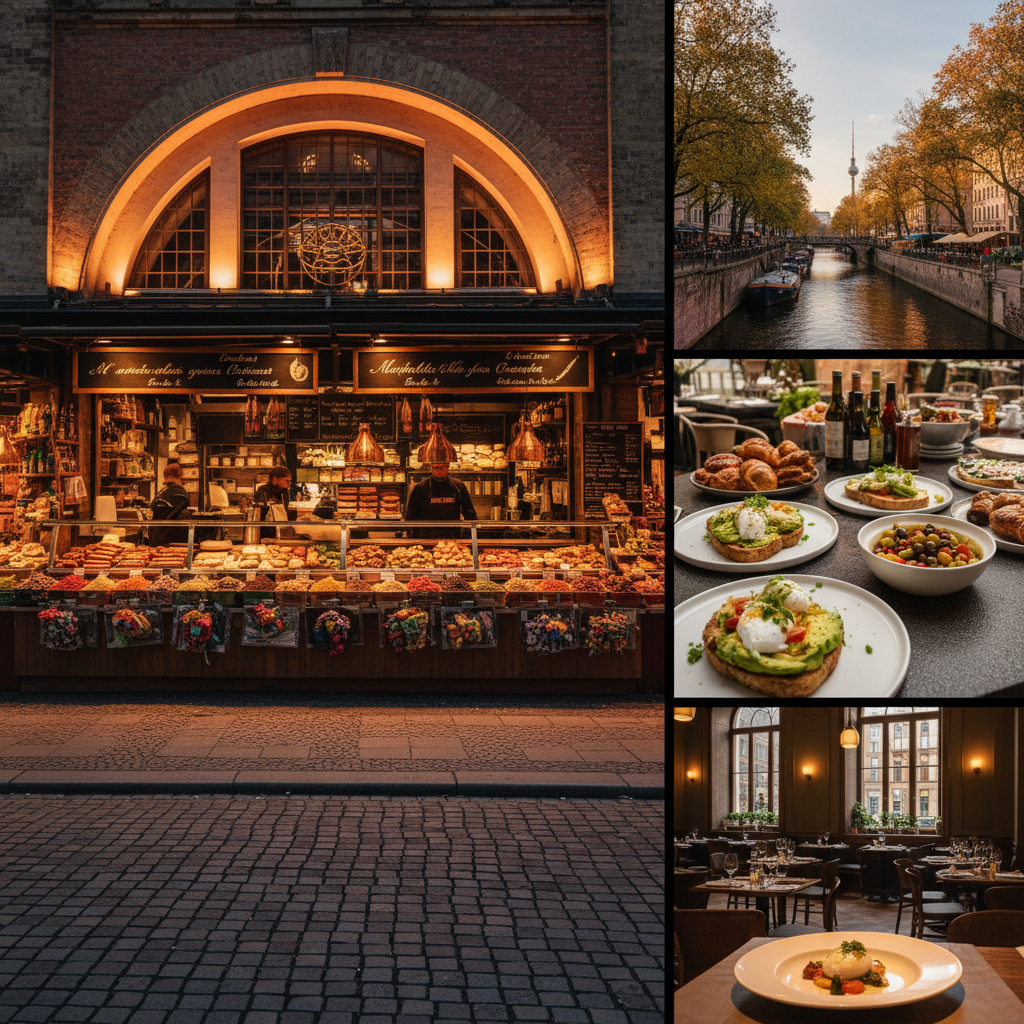
Berlin Food & Markets: A 4-Day Culinary Journey Through Germany's Capital
Savor Berlin's diverse culinary scene over 4 days, from bustling markets like Markthalle Neun to Michelin-starred dining. Discover hidden foodie gems.
- Duration: 4 days
- Estimated Budget: $1,200–$2,500
- Best Time to Visit: May-September for outdoor markets and pleasant dining weather
- Destination: Berlin, Germany
Berlin's culinary landscape is a vibrant tapestry woven from traditional German fare, global influences, and an exciting modern dining scene. This guide is your passport to navigating the city's best markets, indulging in hearty brunch spots, and experiencing its burgeoning Michelin-starred restaurants, proving that Berlin is far more than just currywurst.
The moment you step into the bustling atmosphere of the Winterfeldtmarkt on a Saturday, you're immediately enveloped in a symphony of aromas and sounds. This isn't just a place to buy groceries; it's a social hub where locals gather, chat, and savor the weekend. You'll find everything from artisanal cheeses and freshly baked breads to organic produce and exotic spices, all presented with a distinctly Berlin flair. It’s a sensory feast, offering a genuine glimpse into the city's vibrant community life and its deep appreciation for quality, locally sourced ingredients. The energy is infectious, making it an ideal starting point for any culinary exploration.
Is navigating Berlin's diverse culinary scene for a food-focused trip truly achievable without feeling overwhelmed? Here's the reality: with countless districts each boasting unique dining identities, from traditional German eateries to avant-garde fusion restaurants, it's easy to get lost in the sheer volume of choices. The challenge isn't finding good food, but rather curating a coherent, delicious journey that reflects the city's true gastronomic spirit while avoiding tourist traps. Understanding where to find authentic regional specialties versus the latest culinary trends requires local insight, ensuring every meal is a discovery rather than a gamble.
Food and market enthusiasts spend their mornings savoring the diverse offerings at various neighborhood markets, sampling everything from freshly baked pastries to exotic street food. You'll find yourself lingering over conversations with local vendors, learning about their craft and the stories behind their produce. Afternoons often involve exploring a specific district's unique food scene, perhaps a deep dive into artisanal chocolate shops or a quest for the perfect schnitzel. Evenings culminate in memorable dining experiences, ranging from cozy, traditional taverns to sophisticated establishments pushing the boundaries of modern cuisine, ensuring every day is a delightful exploration of flavors.
Arrival & Markthalle Neun Delights
Check into your hotel and drop off your bags. Take a moment to freshen up and get oriented.
Settling in comfortably is key to starting your trip right, allowing you to relax and prepare for the culinary adventures ahead. It's important to have a home base before diving into the city's vibrant food scene.
Head straight to Markthalle Neun in Kreuzberg, one of Berlin's most iconic market halls. Explore the various stalls, from artisanal cheeses to craft beers.
This historic market is a true hub of Berlin's modern food culture, offering a fantastic introduction to local and international delicacies. It's a vibrant, bustling place perfect for food lovers to get their bearings.
Indulge in a late afternoon snack at Sironi - Die Focacceria within Markthalle Neun. Their focaccia is legendary.
Sironi's focaccia is perfectly airy, crispy, and topped with fresh, high-quality ingredients, making it an ideal light bite. It's a local favorite and a testament to the market's diverse offerings.
Wander through the surrounding streets of Kreuzberg, known for its vibrant street art and independent shops. Soak in the alternative atmosphere.
Kreuzberg offers a fascinating glimpse into Berlin's diverse cultural tapestry, with colorful murals and unique boutiques. It's a great way to digest and experience the city's edgy charm before dinner.
Enjoy a casual, yet authentic German dinner at Max und Moritz, a traditional Berlin restaurant with a cozy atmosphere.
This historic restaurant offers classic German comfort food in a charming, old-world setting, perfect for your first evening. It's a great way to experience traditional Berlin cuisine without being overly touristy.
Leif's Tip: Upon arrival, make sure to purchase a Berlin WelcomeCard for 72 hours or more. It will save you a lot of hassle and money on public transport, allowing you to hop between markets and restaurants with ease. Also, wear comfortable shoes – Berlin is best explored on foot!
Berlin has countless districts, and knowing which ones offer the most authentic culinary experiences for a food and market enthusiast is the difference between a generic meal and a truly memorable gastronomic journey. It's not just about finding a restaurant; it's about understanding the local food culture, knowing which market days are best for specific produce, and navigating the subtle nuances of German dining etiquette. Between deciphering German menus, understanding the seasonal availability of ingredients, and sifting through endless online reviews, planning a truly immersive food trip can feel like a full-time job before you even pack your suitcase. This is precisely where Leif steps in, transforming potential confusion into a clear, delicious path.
When you're standing in the vibrant heart of the Kollwitzkiez, wondering where to find the best artisanal bread or a cozy café for a traditional German breakfast, Leif has already curated the perfect suggestions. Say you want to experience the buzz of a local weekly market but you're not sure which day to go or what specialties to look for — Leif provides not just the schedule, but also insider tips on what to sample and which vendors are local favorites. You land in Berlin, pull up Leif, and within seconds you know exactly where to head for that perfectly crisp Berliner Weisse, or which charming eatery offers the most authentic regional dish without a single tourist in sight, ensuring every culinary decision is effortless and rewarding.
You'll arrive in Berlin knowing exactly where to find the most delectable street food, the most charming local bakeries, and the Michelin-starred gems that truly capture the city's innovative spirit. Instead of wasting precious time researching or falling into tourist traps, you'll be savoring every bite, confident that each recommendation is a carefully chosen highlight. The difference is experiencing the city's diverse flavors through the eyes of a local, guided by expert knowledge that unlocks hidden culinary treasures. Arriving in Berlin with every meal and market visit thoughtfully planned means you can focus entirely on the joy of discovery, from the first aroma of freshly baked pretzels to the last sip of a perfectly paired German wine.
Best Time to Visit Berlin, Germany
Late Spring (May-June) or early Autumn (September-October) offers pleasant weather for market hopping and outdoor dining, with fewer crowds than peak summer.
Avoid mid-winter (December-February) if you're sensitive to cold, as many market stalls might be less vibrant and outdoor seating limited.
Summer (July-August) is lively with many festivals, but can be quite warm and touristy, especially in popular market areas.
For the best market experience, plan your visit to include a Thursday for the Turkish Market and a Friday evening or Saturday for Markthalle Neun's Street Food Thursday (if you extend your trip) or their regular market days.
Consider visiting during shoulder seasons for better hotel rates and a more relaxed atmosphere at popular eateries.
Getting Around Berlin, Germany
Berlin has an excellent public transport system (U-Bahn, S-Bahn, tram, bus). Purchase a Berlin WelcomeCard for unlimited travel and discounts on attractions, or a 4-day pass.
Google Maps is your best friend for navigating public transport; it's highly accurate for routes and timings.
Consider renting a bike for exploring neighborhoods like Prenzlauer Berg or Kreuzberg on a pleasant day. Berlin is very bike-friendly.
Taxis and ride-sharing apps like Free Now are available but can be pricey. Stick to public transport for most journeys.
Walking is often the best way to explore individual neighborhoods and stumble upon hidden culinary gems.
What to Pack
- Comfortable walking shoes – you'll be on your feet a lot exploring markets and neighborhoods.
- Layers of clothing – Berlin weather can be unpredictable, so be prepared for temperature changes.
- A reusable shopping bag – perfect for carrying market finds and reducing plastic waste.
- An umbrella or light rain jacket – just in case of unexpected showers, especially in spring or autumn.
- Portable power bank – for keeping your phone charged while navigating and taking food photos.
- A small notebook and pen – to jot down restaurant recommendations or market stall names.
- Cash (Euros) – many smaller market stalls and some independent eateries prefer or only accept cash.
- A camera – to capture the vibrant market scenes and beautifully plated dishes.
Money-Saving Tips
- Utilize Berlin's excellent public transport system instead of taxis; a multi-day pass is more economical.
- Look for 'Mittagsangebote' (lunch specials) at restaurants; many offer significantly cheaper menus during lunchtime.
- Shop at local markets like the Turkish Market for fresh, affordable produce and snacks rather than always eating out.
- Pack a reusable water bottle and refill it; tap water in Berlin is safe to drink.
- Consider staying in an apartment with a kitchen for some meals, especially breakfast, to save on dining costs.
- Many museums offer free admission on certain days or have free permanent exhibitions; check their websites.
- Enjoy street food from various stalls at markets; it's often delicious and more budget-friendly than sit-down restaurants.
Local Insights
- Tipping is customary but not as high as in the US. Round up to the nearest euro or add 5-10% for good service. Say 'Stimmt so' (keep the change) or state the total amount you wish to pay.
- Punctuality is generally valued. If you have a reservation, try to be on time.
- Germans value directness in communication. Don't be offended if someone seems blunt; it's often just their way.
- Many smaller shops and some restaurants are closed on Sundays, so plan your market visits accordingly.
- Learn a few basic German phrases like 'Guten Tag' (hello), 'Danke' (thank you), and 'Bitte' (please/you're welcome); it's always appreciated.
Frequently Asked Questions
What's the best way to get around Berlin for a food-focused trip, especially between markets and restaurants?
Berlin's public transport system (U-Bahn, S-Bahn, trams, and buses) is incredibly efficient and the best way to navigate between different culinary hotspots. Consider purchasing a day pass or a Berlin WelcomeCard for unlimited travel. For market hopping, walking and cycling are also fantastic options, allowing you to discover hidden gems along the way.
Are reservations necessary for Berlin's Michelin-starred restaurants, or can I walk in?
For Berlin's Michelin-starred establishments, reservations are absolutely essential, often needing to be made several weeks, or even months, in advance, especially for weekend evenings. Spontaneous walk-ins are highly unlikely to be accommodated due to their limited seating and high demand. Always check the restaurant's website for their specific booking policy.
What's the etiquette for tipping in Berlin restaurants and cafes?
Tipping in Germany is customary, usually around 5-10% for good service. It's common to round up the bill or tell the server the total amount you wish to pay, including the tip, when they present the bill. For example, if the bill is €27, you might say '30, please.' You don't leave money on the table after paying.
Beyond the markets, where can I find authentic German street food in Berlin?
While markets offer a great selection, you'll find authentic German street food like Currywurst and Döner Kebab at countless Imbisses (snack stands) throughout the city. For a classic Currywurst experience, look for popular spots in neighborhoods like Charlottenburg or Friedrichshain. For Döner, Kreuzberg is famously the place to go for some of the best outside of Turkey.
Are there vegetarian or vegan-friendly options readily available in Berlin's food scene?
Berlin is renowned as one of the most vegan-friendly cities in the world! You'll find an abundance of vegetarian and vegan restaurants, cafes, and even street food stalls across all neighborhoods. Many traditional German restaurants also offer excellent meat-free alternatives, so you'll have no trouble finding delicious plant-based meals.
How can I avoid common tourist traps when seeking out authentic culinary experiences?
To avoid tourist traps, venture a few blocks away from major landmarks. Look for restaurants with menus primarily in German, or those bustling with local patrons. Reading local food blogs or asking shopkeepers for recommendations can also lead you to hidden culinary gems. Don't be afraid to explore smaller, less flashy eateries.
What's the best time of year to visit Berlin for a food and market focused trip?
Spring (April-May) and early autumn (September-October) offer the most pleasant weather for exploring markets and dining outdoors. During these seasons, outdoor markets are in full swing, and many restaurants offer charming al fresco dining. The Christmas markets in winter also provide a unique, festive food experience, though it can be quite cold.