Amsterdam Food Guide: 4-Day Culinary Journey Through Dutch & Indonesian Flavors
Savor Amsterdam's diverse food scene on a 4-day culinary adventure. From raw herring to rijsttafel, discover the city's best eats beyond the tourist traps.
- Duration: 4 Days
- Estimated Budget: $600–$950
- Best Time to Visit: May-July for Hollandse Nieuwe herring, or April-September for pleasant weather and outdoor market dining.
- Destination: Amsterdam, Netherlands
Amsterdam's food identity is a delicious tapestry woven from ancient Dutch traditions, colonial influences, and a vibrant modern culinary scene. This guide is for the traveler who understands that the best way to truly know a city is through its flavors, venturing beyond the Canal Ring to discover hidden culinary gems.
The Jordaan district, with its labyrinthine canals and charming gabled houses, is where Amsterdam's culinary soul truly comes alive for the discerning food traveler. Here, tucked away on quiet streets, you'll discover traditional brown cafes serving up crispy bitterballen alongside local brews, and modern eateries pushing the boundaries of Dutch cuisine with natural wines and innovative tasting menus. It's a neighborhood that rewards slow exploration, where every corner seems to hide a new gastronomic delight, far removed from the tourist-heavy areas. This is not just about eating; it's about immersing yourself in the city's living culinary history, one delicious bite at a time, feeling the pulse of local life.
Is navigating Amsterdam's diverse food scene, especially for a specific culinary journey, genuinely overwhelming? Absolutely, if you don't know where to look. Beyond the obvious tourist traps, finding the authentic haring carts, the truly exceptional Indonesian rijsttafel, or the best brown cafes requires insider knowledge. It's not just about finding a restaurant; it's about understanding the specific nuances of each dish, the best time to visit a market, or which vendors offer the freshest ingredients. Without a curated guide, you could easily miss out on the city's most iconic and delicious experiences, settling for generic fare instead of the vibrant flavors that define Amsterdam's unique food identity.
Food-focused travelers spend their mornings exploring the bustling energy of street markets, sampling freshly made stroopwafels and savory herring from local vendors. Afternoons are often dedicated to deep dives into specific culinary traditions, perhaps a leisurely Indonesian rijsttafel feast that unfolds over hours, or a relaxed session in a historic brown cafe, savoring local snacks and beers. Evenings transition into discovering the city's modern gastronomic innovations, from natural wine bars to Michelin-starred establishments. The rhythm of Amsterdam for a food enthusiast is a continuous journey of discovery, where each meal is an experience, and every bite tells a story of the city's rich cultural tapestry.
Herring Kisses & Rijsttafel Dreams: A Taste of Ancient and Colonial Amsterdam
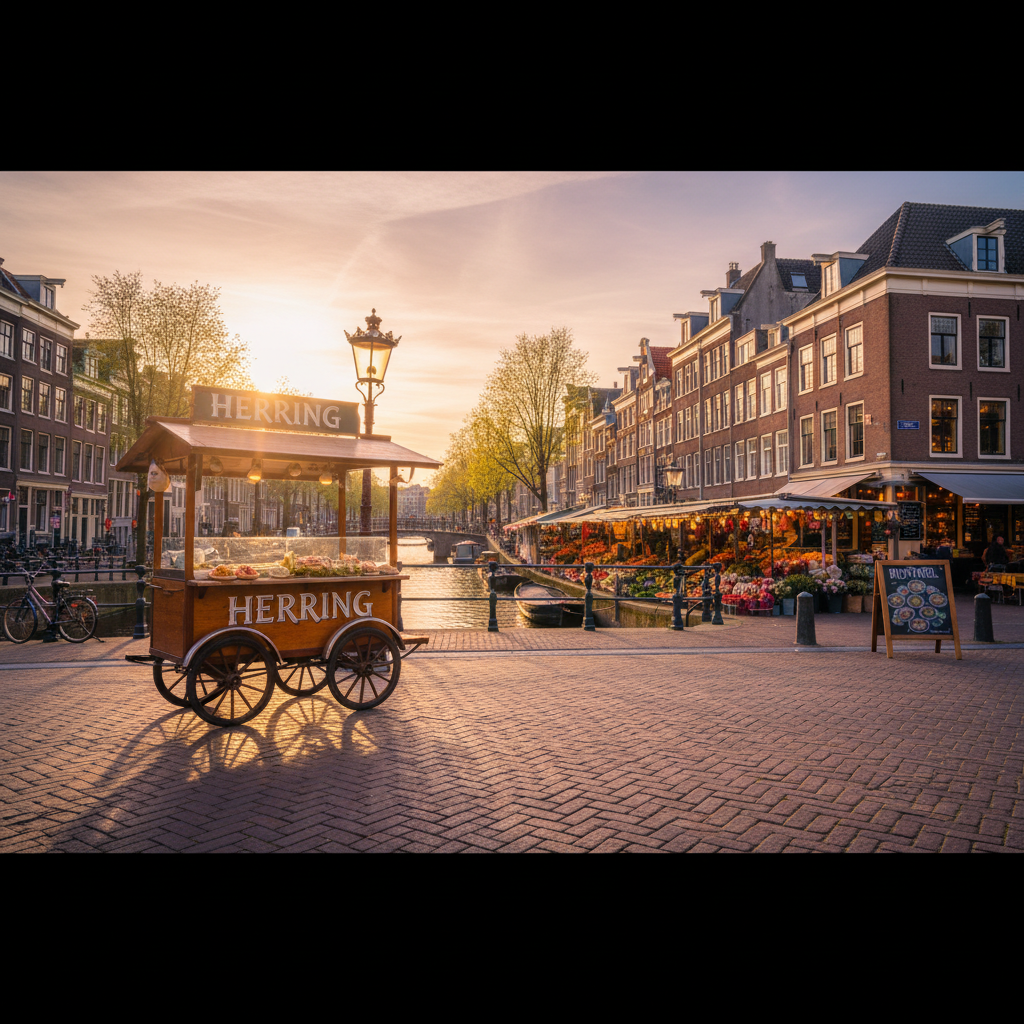
Head straight from your arrival to Stubbe's Haring, a legendary herring cart near the Singel canal, for your first authentic Amsterdam bite.
This is the definitive Amsterdam street food experience. Eating raw herring with pickles and onions, Dutch-style, is a rite of passage for any food lover.
Wander into the Jordaan neighborhood and settle into Café Chris, one of Amsterdam's oldest brown cafes, for a quintessential Dutch pub experience.
Brown cafes are the heart and soul of Amsterdam's social scene, offering a glimpse into local life. Café Chris, established in 1624, is steeped in history.
Indulge in a plate of bitterballen, crispy deep-fried beef ragù balls, a perfect savory snack to accompany your drink at Café Chris.
Bitterballen are the ultimate Dutch bar snack, offering a rich, comforting flavor and a satisfying crunch. They are a must-try for any food enthusiast.
Take a leisurely stroll through the charming streets of the Jordaan, admiring the canal houses and boutique shops, letting your lunch settle.
The Jordaan is one of Amsterdam's most picturesque neighborhoods, offering a serene escape from the bustling city center. It's perfect for a relaxed exploration.
Experience the culinary legacy of the Dutch East Indies with an Indonesian rijsttafel dinner at Blauw, known for its authentic and refined dishes.
Rijsttafel is a unique Amsterdam dining experience, a lavish feast of 15-25 small Indonesian dishes. Blauw offers an exceptional and authentic rendition.
Leif's Tip: Embrace the Dutch tradition of eating herring from a street cart – it's an iconic experience. Don't let the raw aspect deter you; the fresh briny flavor with the crunch of onions is unexpectedly delicious and truly local.
Amsterdam has a bewildering array of culinary choices, and knowing which herring cart offers the freshest catch, which brown cafe has the most authentic atmosphere, or which Indonesian restaurant truly captures the essence of rijsttafel can feel like a daunting task. The city's food scene is dynamic, with new spots emerging and traditional favorites sometimes hidden away from plain sight. Trying to sift through countless online reviews and generic travel blogs to find those truly special, local-approved spots takes hours, often leading to decision fatigue or, worse, a disappointing meal. This is precisely where Leif steps in, cutting through the noise to deliver a curated, opinionated itinerary that ensures every single bite you take in the Dutch capital is a memorable one, perfectly aligned with your specific food interests.
When you're standing on a bustling street corner in De Pijp, perhaps near the vibrant Ferdinand Bolstraat, and you're craving something truly authentic but aren't sure which Surinamese eatery will deliver the best roti, Leif has you covered. Instead of fumbling with your phone, trying to decipher menus or reviews in a language you might not understand, your Leif itinerary will seamlessly guide you to Warung Spang Makandra. It will tell you not just where it is, but what to order, why it's special, and even a little insider tip about the best time to visit to avoid the lunch rush. You won't just eat; you'll understand the cultural significance of your meal, making each dish a richer experience than you could ever plan on your own.
Arriving in the city with your culinary roadmap already meticulously planned means you can savor every moment without a hint of stress. You'll confidently navigate the charming canals of the Jordaan to find a hidden natural wine bar, knowing you're about to taste something truly special. Instead of generic tourist traps, you'll be sampling aged Gouda from a local cheese shop, or enjoying a perfectly prepared meal at a modern Dutch restaurant like Rijks, feeling like a true insider. The difference is arriving not just as a visitor, but as an informed explorer, ready to dive headfirst into Amsterdam's extraordinary flavors, creating memories that linger long after the last delicious bite.
Best Time to Visit Amsterdam, Netherlands
Late spring (May-June) is ideal for the 'Hollandse Nieuwe' herring season, when the fish is at its freshest and most tender.
Early autumn (September-October) offers pleasant weather for walking between food stops and fewer crowds than peak summer.
Avoid January-February if you dislike cold, damp weather, which can make outdoor market exploration less enjoyable.
Visit Albert Cuyp Market on a weekday morning for the best selection and fewer crowds, especially if you want to chat with vendors.
Many restaurants and cafes close on Mondays, so plan your rijsttafel or fine dining experiences accordingly.
Getting Around Amsterdam, Netherlands
Amsterdam is incredibly walkable, especially within the canal belt and Jordaan; plan to do most of your food touring on foot.
Rent a bike for a true local experience, but be mindful of bike lanes and traffic, especially after a few beers at a brown cafe.
Utilize the GVB tram system for longer distances, like getting to De Pijp or Brouwerij 't IJ; purchase an OV-chipkaart or GVB day ticket.
Consider using ride-sharing apps like Uber for late-night returns from restaurants, particularly if you've enjoyed some wine.
Public transport runs efficiently, but always check schedules, especially on weekends or public holidays.
What to Pack
- Comfortable walking shoes are essential for exploring markets and neighborhoods.
- A light, waterproof jacket or umbrella, as Amsterdam weather can be unpredictable.
- Layers of clothing, as indoor cafes can be warm while outdoor markets are cooler.
- A reusable water bottle to stay hydrated between all the delicious food stops.
- A small backpack or tote bag for market purchases like cheese or stroopwafels.
- Portable charger for your phone, as you'll be using maps and taking lots of food photos.
- Cash (euros) for smaller market stalls and street food vendors, though cards are widely accepted.
- A good appetite – seriously, come hungry!
Money-Saving Tips
- Embrace street food like herring, stroopwafels, and market snacks for delicious and affordable meals.
- Opt for lunch specials or 'daghap' (daily special) at brown cafes for a hearty and budget-friendly meal.
- Buy fresh produce and cheese from Albert Cuyp Market for picnics or snacks instead of eating out for every meal.
- Tap water is safe and delicious in Amsterdam; bring a reusable bottle to avoid buying bottled water.
- Consider sharing a rijsttafel, as the portions are generous, and it's a great way to sample many dishes without over-ordering.
Local Insights
- Don't be shy about trying raw herring the traditional way – holding it by the tail. It's a rite of passage!
- When ordering bitterballen, expect them to be piping hot inside; let them cool slightly before biting in.
- Always place your stroopwafel on top of your hot drink for a minute or two to warm the caramel – it's a game-changer.
- Dutch meal times are generally earlier than in some other European countries; dinner often starts around 6-7 PM.
- Tipping is appreciated but not mandatory in the Netherlands; rounding up the bill or leaving 5-10% for good service is common.
Frequently Asked Questions
What is the best way to experience raw herring in Amsterdam?
The most authentic way is from a street cart (haringkar), like Stubbe's Haring near the Singel canal. Order it 'broodje haring' (on a roll) if you prefer, but don't shy away from eating it by the tail with onions and pickles – it's a true local tradition and surprisingly delicious, especially the 'Hollandse Nieuwe' catch in May-July.
Where can I find the most authentic Indonesian rijsttafel?
For a truly authentic experience, head to Blauw on Amstelveenseweg. It's a bit outside the main tourist areas but well worth the journey for its extensive and high-quality spread of Indonesian dishes. Make a reservation, as it's very popular with locals and visitors alike.
What are 'brown cafes' and what should I order there?
Brown cafes (bruine kroegen) are traditional Dutch pubs, often with dark wood interiors and a cozy, lived-in atmosphere. They're perfect for a local beer and a portion of bitterballen – deep-fried, savory meat ragout balls, usually served with mustard. Café 't Smalle in the Jordaan is a beautiful example.
Is the Albert Cuyp Market primarily for food?
While Albert Cuyp Market sells a variety of goods, its food stalls are a major highlight and a must-visit for any food lover. You'll find fresh stroopwafels, poffertjes, herring, Dutch cheese samples, and excellent Surinamese roti, making it a fantastic spot for a progressive lunch or snack crawl.
How do I eat a stroopwafel like a local?
The best way to enjoy a stroopwafel is to buy one fresh from a griddle at a market like Albert Cuyp. Then, place it on top of a hot cup of coffee or tea for about 30 seconds. The steam will warm the caramel filling, making it perfectly soft and gooey. Avoid the pre-packaged supermarket versions if you can.
Are there good options for Dutch cheese tasting?
Absolutely! While the Gouda cheese market is a day trip, you can find excellent cheese in Amsterdam. De Kaaskamer in the Jordaan offers a fantastic selection and often provides samples. You'll discover varieties beyond Gouda, like Edam, Leerdammer, and aged Beemster, each with its unique flavor profile.
What is Surinamese food and where should I try it?
Surinamese cuisine is a vibrant fusion of African, Indian, Indonesian, and Dutch influences, a legacy of Suriname's colonial past. Amsterdam has a thriving Surinamese community, and you absolutely must try it. Roopram Roti in De Pijp is legendary for its roti with chicken curry, offering a delicious and affordable meal.