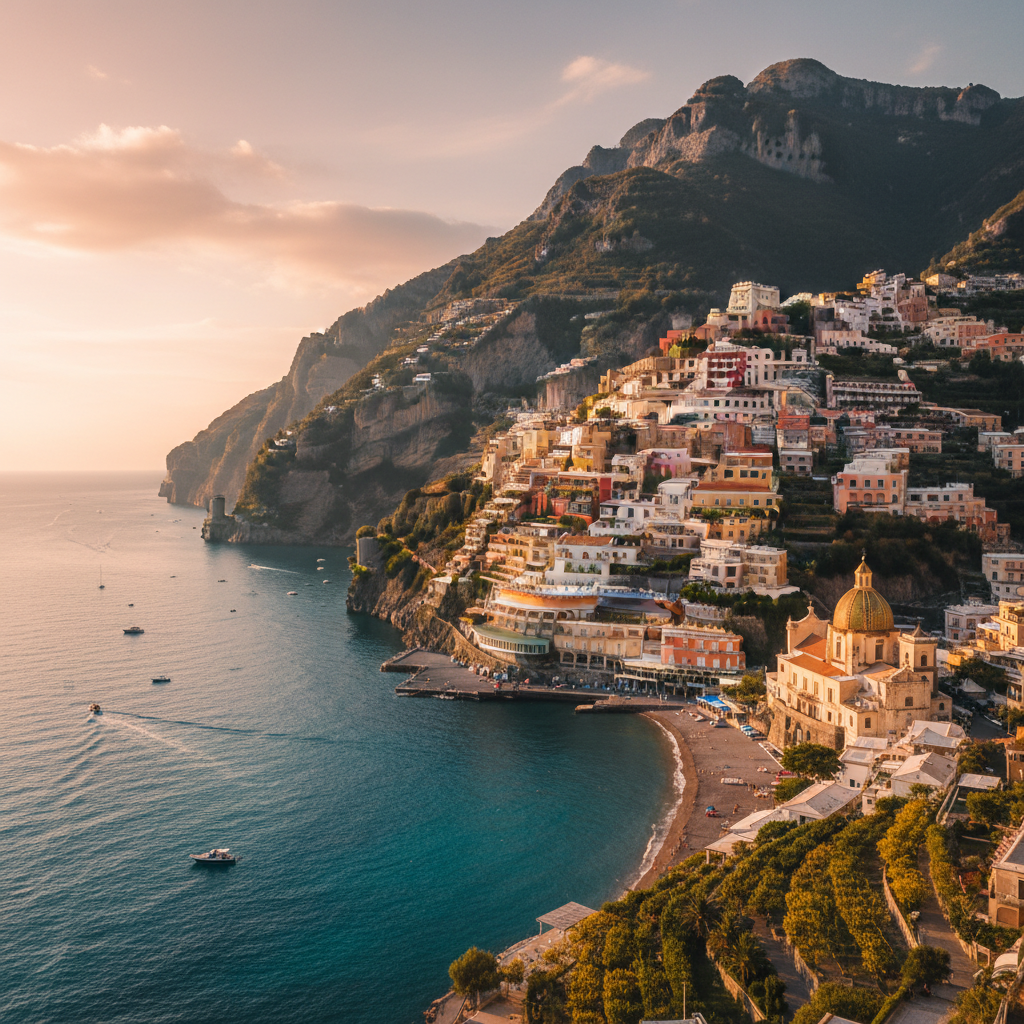
Amalfi Coast 5-Day City & Culture Itinerary: Positano, Ravello & Beyond
Discover the Amalfi Coast's iconic cliffside villages, historic towns, and vibrant culture on this 5-day itinerary, exploring Positano, Ravello, and more.
- Duration: 5 Days
- Estimated Budget: $1,500–$3,000
- Best Time to Visit: May-June and September-October for pleasant weather and fewer crowds.
- Destination: Amalfi Coast, Italy
<p class="guide-blog-backlink">📖 Planning a trip to Italy? Read our complete <a href="https://askleif.com/blog/italy-travel-guide-which-region-is-right-for-you">Italy Travel Guide: Which Region Is Right for You?</a> — covering Rome, Florence, Venice, the Amalfi Coast, Tuscany, and more.</p> The Amalfi Coast is more than just stunning views; it's a living canvas of history and culture, where ancient traditions meet breathtaking natural beauty. For those who crave immersion in local life, this itinerary dives deep into the charming towns, artistic heritage, and culinary delights that define this iconic Italian stretch.
The moment you step into the ancient paper mills of Amalfi, you're transported to a time when this coastal town was a maritime powerhouse, its prosperity fueled by papermaking. This isn't just a dusty museum; it's a living testament to ingenuity, where the rhythmic thud of wooden hammers still echoes, demonstrating techniques passed down through generations. You'll witness artisans crafting exquisite paper by hand, a tradition that predates Gutenberg. It's a profound connection to the region's industrious past, offering a unique perspective beyond the sun-drenched beaches and bustling piazzas. This deep dive into local heritage reveals the soul of the coast, showing how its people shaped their destiny with skill and determination.
Should you rent a car to explore the winding roads and charming towns of this Italian coastline? Here's the reality: while the idea of a scenic drive might be appealing, navigating the narrow, often congested roads, finding parking, and dealing with local traffic can quickly turn a dream into a nightmare. The public transportation system, primarily composed of efficient SITA buses and convenient ferries, is surprisingly robust and often more enjoyable. You'll avoid the stress of driving, allowing you to fully immerse yourself in the views and the atmosphere. Plus, the ferry rides offer unparalleled perspectives of the dramatic cliffs and colorful villages from the sea, an experience you simply can't get from behind a steering wheel.
City and culture travelers spend their mornings exploring the vibrant local markets in towns like Maiori, where the air is thick with the scent of fresh lemons, local cheeses, and just-caught seafood. You'll find yourself chatting with vendors, sampling regional delicacies, and discovering artisanal crafts that reflect the area's rich artistic traditions. The rhythm of this coastal region for culture seekers means leisurely strolls through historic centers, uncovering hidden churches adorned with intricate frescoes, and stumbling upon small, family-run workshops where age-old skills are still practiced. It's about savoring the unhurried pace of life, engaging with the community, and collecting authentic experiences that go far beyond typical tourist snapshots.
Welcome to Positano: Cliffside Charm and Lemon-Scented Dreams
Arrive at Naples Capodichino Airport (NAP) and take a pre-booked private transfer directly to your hotel in Positano. This is the most seamless way to start your Amalfi adventure.
Opting for a private transfer eliminates the stress of navigating public transport with luggage and offers your first breathtaking views of the coastline in comfort. It sets a luxurious tone for your trip from the very beginning.
Check into your hotel and take some time to unpack and freshen up. Settle into your room and perhaps enjoy a welcome drink on your balcony.
After traveling, it's essential to decompress and get comfortable in your new surroundings before diving into exploration. This allows you to truly appreciate the beauty of Positano from your own private space.
Stroll down the winding pedestrian streets of Positano, exploring the charming boutiques and art galleries. Don't be afraid to get lost in the labyrinthine alleys.
This initial wander allows you to soak in the unique atmosphere of Positano, admiring the colorful buildings cascading down to the sea. It's the perfect introduction to the town's captivating beauty and vibrant local scene.
Relax on Spiaggia Grande, Positano's main beach. Rent a sun lounger and umbrella, or simply find a spot on the free beach area to watch the waves.
After your journey and initial exploration, unwinding on the iconic beach is a quintessential Positano experience. It offers stunning views of the town climbing the cliffs and the sparkling Tyrrhenian Sea.
Enjoy an aperitivo at Franco's Bar, located at Le Sirenuse hotel. Sip on a refreshing drink while watching the sunset paint the sky over Positano.
Franco's Bar offers unparalleled panoramic views of Positano and the coastline, making it an unforgettable spot for your first Amalfi Coast sunset. The sophisticated atmosphere and expertly crafted cocktails are the perfect way to transition into evening.
Leif's Tip: Upon arrival, resist the urge to over-schedule. Positano is best experienced by simply wandering and allowing yourself to get lost in its charm. Embrace the 'dolce vita' pace, and don't forget to look up – the architecture and cliffside gardens are just as captivating as the sea views.
The part of this Italian coastline that catches travelers off guard is the sheer complexity of connecting its distinct, charming towns — not the distance between them, but the winding roads, limited parking, and sometimes unpredictable public transport schedules. You want to spend your precious time soaking in the vibrant atmosphere of a local piazza, not deciphering bus timetables or circling for a parking spot. Balancing the desire to see the iconic sights with the wish to discover hidden gems, all while navigating the logistics of a cliffside region, can feel like a full-time job before your vacation even begins. This is precisely where many travelers get stuck, overwhelmed by the planning rather than excited by the journey, often leading to a less enriching experience than they hoped for. It's a common challenge, but one that Leif is designed to effortlessly overcome for you.
Say you want to experience the authentic flavors of the region but you're not sure which trattoria in Cetara serves the best 'colatura di alici' (anchovy sauce) or how to book a small, family-run cooking class in a less-touristed village. You land in Naples, pull up Leif, and within seconds you know not only the most efficient way to reach your accommodation in Furore, but also a curated list of local eateries known for their traditional dishes, complete with opening hours and reservation tips. Leif anticipates your desire for genuine cultural immersion, providing a seamless itinerary that weaves together historical exploration with culinary adventures, ensuring you're always in the right place at the right time to savor the true essence of the Campania region, without any guesswork or wasted moments.
You'll arrive in this sun-drenched region knowing exactly which ancient Roman villa in Minori to explore first, where to find the most fragrant limoncello tasting near Scala, and how to effortlessly catch the local bus to a secluded beach in Praiano for an afternoon of quiet reflection. Instead of the common anxiety of 'what should we do next?', you'll experience the serene confidence of a perfectly orchestrated journey. The difference is feeling the warm Mediterranean breeze on your face as you sip an espresso in a quiet piazza, knowing every detail of your day has been thoughtfully arranged, allowing you to simply exist and absorb the beauty around you. Arriving with this level of preparation already done means your mind is free to wander, to discover, and to truly connect with the enchanting spirit of this iconic Italian destination.
Best Time to Visit Amalfi Coast, Italy
Late April to early June: This is my absolute favorite time. The weather is warm but not scorching, the wildflowers are in bloom, and the crowds are manageable. You'll get stunning photos without battling shoulder-to-shoulder tourists.
September to early October: Another fantastic window. The sea is still warm enough for swimming, the intense summer heat has mellowed, and the harvest season brings delicious local produce and wine.
Avoid July and August: Unless you love extreme heat, massive crowds, and inflated prices, I'd steer clear. Ferries are packed, restaurants require long waits, and the charm can be lost in the chaos.
Consider late March/early April: If you don't mind slightly cooler temperatures and a chance of rain, you'll find the coast awakening. Many businesses will be opening, and you'll have a more authentic, peaceful experience.
Getting Around Amalfi Coast, Italy
Embrace the ferries: Hands down, the most scenic and often the most efficient way to travel between coastal towns like Positano, Amalfi, and Salerno. They offer breathtaking views and bypass the winding, congested roads.
Utilize the SITA bus for inland connections: For towns like Ravello or if you're heading further afield from Amalfi, the SITA bus is reliable and affordable. Buy tickets at tabacchi shops or newsstands *before* boarding.
Forget the car: Seriously, don't even think about it. Parking is a nightmare, roads are narrow and winding, and traffic can be brutal. You'll spend more time frustrated than enjoying the views.
Consider private transfers for airports/train stations: While more expensive, a pre-booked private transfer from Naples airport or train station to your accommodation is worth the splurge for convenience and comfort, especially after a long journey.
What to Pack
- Comfortable walking shoes: This is non-negotiable. You'll be climbing countless stairs and walking on uneven cobblestones. Leave the stilettos at home.
- Light layers: Even in summer, evenings can have a slight breeze, and air-conditioned interiors can be cool. A light cardigan or shawl is perfect.
- Swimsuit and cover-up: You'll want to take a dip in the azure waters or lounge by a hotel pool.
- Sunscreen, hat, and sunglasses: The Mediterranean sun is strong, especially when you're out on the water or hiking.
- Small backpack or crossbody bag: For daily essentials, water, and souvenirs, keeping your hands free is key for navigating stairs and crowds.
- Adapter for European outlets: Don't forget to charge your phone and camera for all those stunning photos.
- Reusable water bottle: Stay hydrated and reduce plastic waste. Many towns have public fountains where you can refill.
Money-Saving Tips
- Eat like a local: Skip the tourist traps on the main piazzas. Wander a few streets back and look for trattorias filled with Italian families. The food will be better and more affordable.
- Picnic with local delights: Grab fresh bread, cheese, cured meats, and local produce from a market or Alimentari (small grocery store) for a delicious and budget-friendly lunch with a view.
- Limit sit-down drinks: Aperol Spritzes are lovely, but they add up. Enjoy a morning espresso standing at the bar (it's cheaper!) or bring your own wine to enjoy on your balcony.
- Buy SITA bus tickets in advance: Purchasing tickets at a tabaccheria or newsstand is cheaper than buying them directly from the driver (if they even have them).
- Look for accommodation slightly off the beaten path: Staying a bit outside the absolute center of Positano or Amalfi can significantly reduce your nightly rate without sacrificing charm or convenience.
Local Insights
- Embrace the 'passeggiata': Join the evening stroll. It's a cherished Italian tradition where locals dress up and walk through the main streets, socializing and enjoying the evening air. It's a wonderful way to feel part of the community.
- Learn a few basic Italian phrases: 'Buongiorno' (good morning), 'Grazie' (thank you), 'Per favore' (please), and 'Scusi' (excuse me) go a long way in showing respect and often result in warmer interactions.
- Don't expect everything to run on a strict schedule: Italian time is a real thing. Buses might be a few minutes late, and service can be leisurely. Relax, enjoy the moment, and don't get flustered.
- Dress respectfully when visiting churches: Shoulders and knees should be covered. A light scarf is perfect for women to throw over their shoulders if wearing a tank top.
- Savor the lemons: They're not just for limoncello! Try lemon-infused pasta, lemon granita, or even just a fresh lemon juice. The Amalfi Coast lemons are truly special and integral to the local cuisine.
Frequently Asked Questions
What's the best way to get around the Amalfi Coast without a car?
The SITA bus system is extensive and connects all the major towns. For scenic views and to avoid traffic, utilize the ferry services between coastal towns like Salerno, Amalfi, and Sorrento. Taxis are available but can be pricey. Consider private transfers for specific routes or if you have a lot of luggage.
When is the best time of year to visit for a city and culture focused trip?
Spring (April-May) and Fall (September-October) are ideal. The weather is pleasant for exploring, the crowds are thinner than in summer, and all attractions and restaurants are open. You'll get to experience the local culture without the intense summer heat and tourist rush.
Are there any specific cultural etiquette tips I should know?
Italians appreciate politeness. Always greet shopkeepers and restaurant staff with 'Buongiorno' (good morning) or 'Buonasera' (good evening). Dress modestly when visiting churches, covering shoulders and knees. Tipping is not mandatory but rounding up the bill or leaving a few euros for good service is appreciated.
What are some must-try local dishes beyond pizza and pasta?
Definitely try 'Scialatielli ai frutti di mare' (local pasta with seafood), 'Delizia al Limone' (lemon-infused dessert), and 'Mozzarella di Bufala' from nearby Campania. Don't miss out on fresh grilled fish, often caught that day, and the local limoncello, a sweet lemon liqueur.
How much walking should I expect on this type of trip?
Expect a fair amount of walking, often uphill or on stairs, especially in towns built into the cliffs. Comfortable, sturdy shoes are essential. Many cultural sites and viewpoints require navigating cobblestone streets and uneven terrain. This is part of the charm and offers incredible views.
Is it necessary to book tours or can I explore independently?
While independent exploration is certainly possible and rewarding, some experiences, like guided tours of historical sites or cooking classes, offer deeper cultural insights. For specific activities like a boat trip to a grotto or a wine tasting, booking in advance is highly recommended, especially during peak season.
What's the local currency and are credit cards widely accepted?
The local currency is the Euro (€). Credit cards are widely accepted in most hotels, larger restaurants, and shops. However, it's always a good idea to carry some cash for smaller purchases, local markets, or in smaller, family-run establishments, especially in more remote villages.