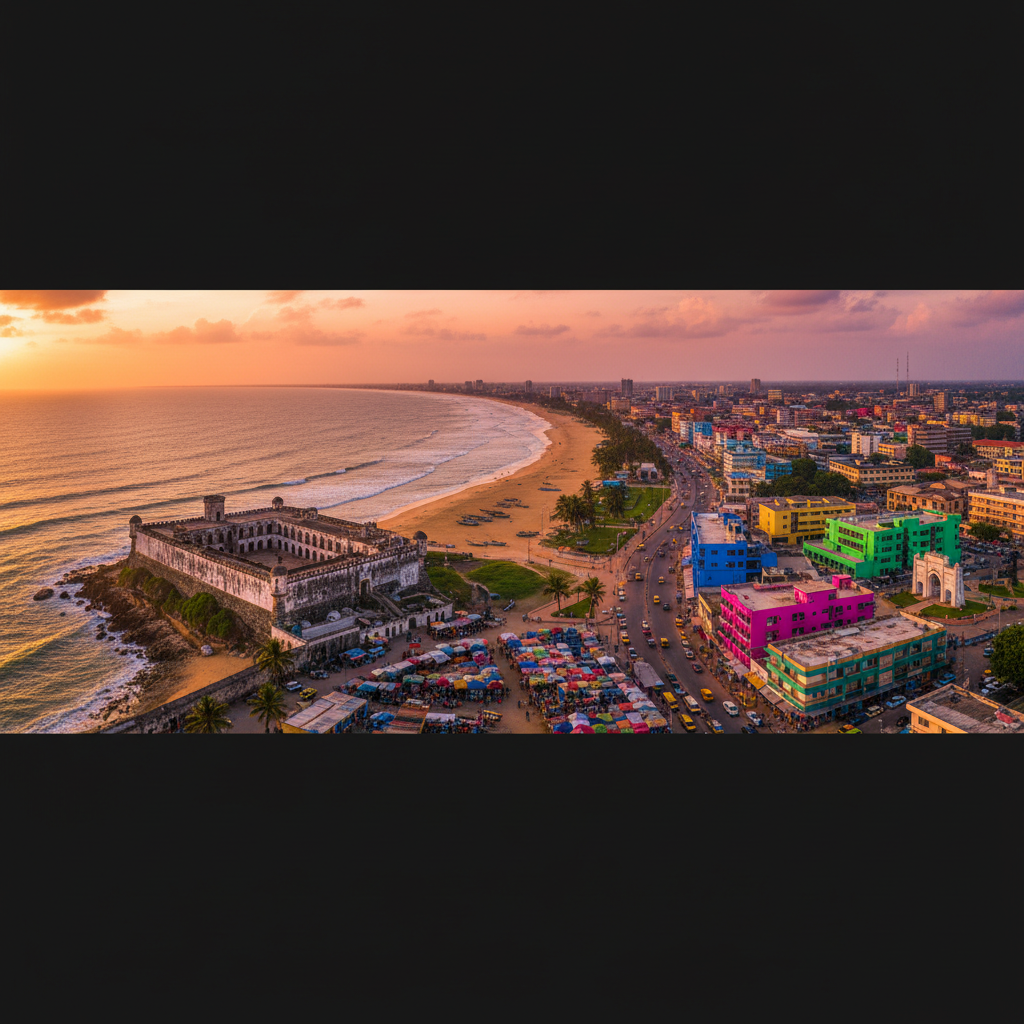
4-Day Accra Culture & History Itinerary: Slave Castles, Labadi Beach & West Africa's Vibrant Heart
Discover Accra's profound history and vibrant culture on this 4-day itinerary. Explore slave castles, relax on Labadi Beach, and immerse yourself in West Africa's most dynamic city.
- Duration: 4 Days
- Estimated Budget: $120–$480
- Best Time to Visit: June-August (dry season, but can be hot) or November-February (cooler, less humid dry season).
- Destination: Accra, Ghana
Accra isn't just a city; it's a living narrative, a place where the echoes of history meet the pulse of modern West Africa. This guide is your key to unlocking the profound cultural and historical layers of Ghana's capital, from the poignant slave castles to the electric energy of its markets and beaches.
The moment you step into the vibrant fishing harbor at dawn, the air thick with the smell of salt and woodsmoke, you'll witness a timeless rhythm that defines this coastal capital. Fishermen mend their nets, preparing for the day's catch, their colorful canoes dotting the shoreline. This isn't just a picturesque scene; it's a living, breathing testament to the city's enduring connection to the sea and its resilient people. You'll observe the bustling trade, the haggling over fresh seafood, and the camaraderie that binds this community, offering a raw, unfiltered glimpse into daily life that few tourists ever truly experience. It’s a sensory overload in the best possible way, setting the stage for the deep cultural immersion that awaits.
Is navigating the vibrant city's public transport system a challenge for first-time visitors? Here's the reality: while the trotro minibuses are an adventure in themselves and a true local experience, they can be overwhelming to decipher without a local guide or a good grasp of the routes. For ease and efficiency, especially when covering longer distances or after dark, ride-sharing apps like Uber and Bolt are readily available and surprisingly affordable. They offer a comfortable, air-conditioned alternative, ensuring you can focus on the sights and sounds rather than worrying about getting lost. Knowing this balance between local charm and modern convenience is key to a smooth and enjoyable exploration.
Culture and history travelers spend their afternoons delving into the rich tapestry of Ghanaian heritage, moving from solemn reflections to joyous celebrations. You'll find yourself walking through ancient fortresses that whisper tales of resilience, then later, swaying to the infectious rhythms of live highlife music in a bustling evening spot. The experience often involves savoring authentic street food from a trusted vendor, followed by an engaging conversation with a local artisan about the symbolism woven into their craft. It's a journey that constantly shifts between profound historical understanding and the vibrant, contemporary pulse of West African life, ensuring every moment is deeply engaging and memorable.
Welcome to Accra: Settling In and Savouring Osu's Charms
Arrive at Kotoka International Airport (ACC), clear customs, and take a pre-booked taxi or Uber to your accommodation in the Osu neighborhood.
Osu is the vibrant heart of Accra, known for its lively Oxford Street, excellent dining, and nightlife. It's the perfect base for first-time visitors to easily access attractions and experience the city's energy.
Take a leisurely stroll down Oxford Street in Osu, soaking in the sights, sounds, and smells of this bustling commercial hub.
Oxford Street is the pulse of modern Accra, offering a mix of local vendors, international brands, and lively street life. It's a great way to get your bearings and feel the city's rhythm.
Visit the Koala Supermarket in Osu to pick up essentials like water, snacks, and perhaps some local treats.
Koala is a well-stocked supermarket that offers a wide range of local and imported goods, making it convenient for travelers to get settled. It's a reliable spot for quality products.
Enjoy a refreshing drink at Bloombar, one of Accra's most popular and stylish lounges in Osu.
Bloombar offers a sophisticated yet lively atmosphere, perfect for unwinding after your journey. It's a great spot to people-watch and experience Accra's upscale social scene.
Experience the vibrant nightlife of Osu by visiting Republic Bar & Grill, known for its live music and lively atmosphere.
Republic Bar is an iconic spot for experiencing Accra's music scene, often featuring live highlife and Afrobeats. It's a fantastic place to mingle with locals and expats alike.
Leif's Tip: Upon arrival, purchase a local SIM card (MTN is recommended for best coverage) at the airport. This will make navigating with Google Maps, ordering Ubers, and staying connected incredibly easy and affordable throughout your trip.
Between navigating the bustling thoroughfares, understanding the nuances of local customs, and discerning authentic experiences from tourist-centric imitations, planning a meaningful journey to West Africa's vibrant heart can feel like a formidable task. You're not just looking for a checklist of sites; you're seeking to connect with a powerful history, immerse yourself in a dynamic culture, and taste the true flavors of a nation. The challenge lies in piecing together reliable transportation for the significant day trip to the poignant coastal forts, finding eateries that serve genuine local cuisine rather than watered-down versions, and discovering live music venues where the rhythms truly come alive. This is where many travelers get bogged down, spending precious hours sifting through conflicting information online, unsure if they're making the right choices for a truly impactful visit.
When you're standing at the entrance of a bustling market, the air alive with a cacophony of sounds and a kaleidoscope of colors, wondering how to best navigate the maze of stalls for that perfect fabric or unique souvenir, Leif already has you covered. Your personalized itinerary will guide you directly to the best sections for authentic Kente cloth, complete with tips on respectful bargaining and identifying quality craftsmanship. Say you're craving a specific regional dish, perhaps banku with grilled tilapia, but you're unsure which local spot is renowned for it. Leif will have already pinpointed a beloved, hygienic eatery known for that very specialty, saving you from aimless wandering and ensuring a delicious, authentic meal. This means less time stressing over logistics and more time soaking in the rich atmosphere.
You'll arrive in the capital city knowing exactly where to find the most soul-stirring live music, how to respectfully engage with local traditions, and where to savor every bite of Ghana's incredible food scene. Instead of feeling overwhelmed by choices or concerned about safety, you'll move with a quiet confidence, ready to embrace every moment. The difference is feeling the genuine warmth of Ghanaian hospitality as you share a meal with locals, understanding the profound historical significance of each site you visit, and experiencing the city's vibrant pulse without a single moment of doubt. Your journey will unfold effortlessly, allowing you to connect deeply with the land and its people, creating memories that resonate long after you've returned home, eager to share your incredible stories.
Best Time to Visit Accra, Ghana
The dry season, from November to March, is ideal for visiting Accra. You'll enjoy sunny days and lower humidity, perfect for exploring.
Avoid the major rainy seasons (May-June and September-October) if possible, as heavy downpours can disrupt travel plans and make outdoor activities less enjoyable.
December and January are particularly popular due to festive events and cooler temperatures, but book accommodations and flights well in advance.
For a more laid-back experience with good weather, consider February or March, just before the heat and rains pick up.
If you're interested in specific festivals, research their dates as they often fall outside the dry season and can be a unique experience.
Getting Around Accra, Ghana
Uber and Bolt are widely available and generally reliable for getting around Accra. They offer fixed prices and are safer than hailing taxis off the street.
Tro-tros (shared minibuses) are the cheapest way to travel, but they can be confusing for first-timers and are often crowded. Ask locals for help with routes.
For longer distances or day trips like Cape Coast, consider hiring a private driver. Negotiate the price beforehand or book through a reputable tour company.
Walking is best for short distances within neighborhoods like Osu or Jamestown, but be mindful of traffic and uneven pavements.
Avoid driving yourself in Accra unless you are very familiar with the city's chaotic traffic and road conditions.
What to Pack
- Lightweight, breathable clothing (cotton, linen) to combat the heat and humidity.
- A wide-brimmed hat and sunglasses for sun protection.
- Comfortable walking shoes, as you'll be doing a lot of exploring on foot.
- Modest attire for visiting religious sites and showing respect in local communities (shoulders and knees covered).
- Swimwear for beach visits, especially Labadi Beach.
- Insect repellent, particularly for evenings and if you're sensitive to mosquito bites.
- A reusable water bottle to stay hydrated and reduce plastic waste.
- Power bank for your phone, as power outages can occur, and you'll be using your phone for navigation and photos.
Money-Saving Tips
- Embrace local eateries and street food stalls for delicious and incredibly affordable meals. Banku and tilapia from a roadside vendor is a must-try.
- Bargain respectfully in markets like Makola. It's expected, and you can often get a better price, but always be polite.
- Utilize tro-tros for short distances within the city if you're feeling adventurous and want to save on transport costs.
- Buy local SIM cards for cheap data and calls, rather than relying on expensive international roaming.
- Look for guesthouses or smaller, locally-owned hotels outside of the main tourist strips for more budget-friendly accommodation options.
Local Insights
- Always greet people with a 'Good morning/afternoon/evening' before asking questions or making requests. Politeness goes a long way.
- Be prepared for 'Ghana time' – things often run a bit slower than scheduled, so embrace the relaxed pace.
- When visiting markets, be firm but friendly with vendors. A smile and a polite 'no thank you' are usually enough if you're not interested.
- Ghanaian jollof rice is superior to Nigerian jollof. Don't let anyone tell you otherwise. This is a hill worth dying on.
- The Cape Coast Castle visit is incredibly moving and emotionally heavy. Allow yourself time to process the experience afterwards.
Frequently Asked Questions
What's the best way to get around Accra for a first-time visitor?
For convenience and safety, especially as a first-timer, ride-sharing apps like Uber and Bolt are your best bet. They're affordable and widely available. For a more local experience during the day, you can try the 'trotros' (minibuses) for short distances, but be prepared for a bit of a learning curve!
Is Accra safe for tourists, especially solo travelers?
Accra is generally considered one of the safest cities in West Africa. Like any major city, exercise common sense: avoid walking alone at night in poorly lit areas, keep valuables out of sight, and be aware of your surroundings. Ghanaians are incredibly welcoming and friendly.
What's the currency in Ghana and should I carry cash?
The local currency is the Ghanaian Cedi (GHS). While larger hotels and some restaurants accept cards, cash is king, especially at markets, smaller eateries, and for transportation. It's always a good idea to carry smaller denominations.
What should I wear in Accra?
Accra is hot and humid, so lightweight, breathable fabrics are essential. Modest dress is appreciated, especially when visiting religious sites or traditional communities. For women, skirts or trousers that cover the knees and shoulders are respectful. Comfortable walking shoes are a must!
What are the must-try local dishes and where can I find them?
You absolutely must try Jollof Rice (prepare for the Ghana vs. Nigeria debate!), Fufu with light soup, and Kelewele (spiced fried plantains). For authentic local food, seek out Buka Restaurant or ask your hotel for recommendations for popular local spots. Don't be afraid to try street food from busy, reputable vendors.
How can I buy authentic Kente cloth and avoid tourist traps?
For truly authentic, hand-woven Kente, it's best to visit a reputable cultural center or a specialized Kente vendor rather than just any market stall. Ask about the origin and the meaning of the patterns. Good quality Kente is an investment, so be wary of overly cheap options.
What's the best way to handle the Cape Coast day trip logistics?
For a stress-free experience, I highly recommend hiring a private driver for the day. It's about a 3-hour drive each way, and a driver allows you to set your own pace, stop for breaks, and visit both Cape Coast and Elmina Castles comfortably. Shared taxis are an option, but less flexible.