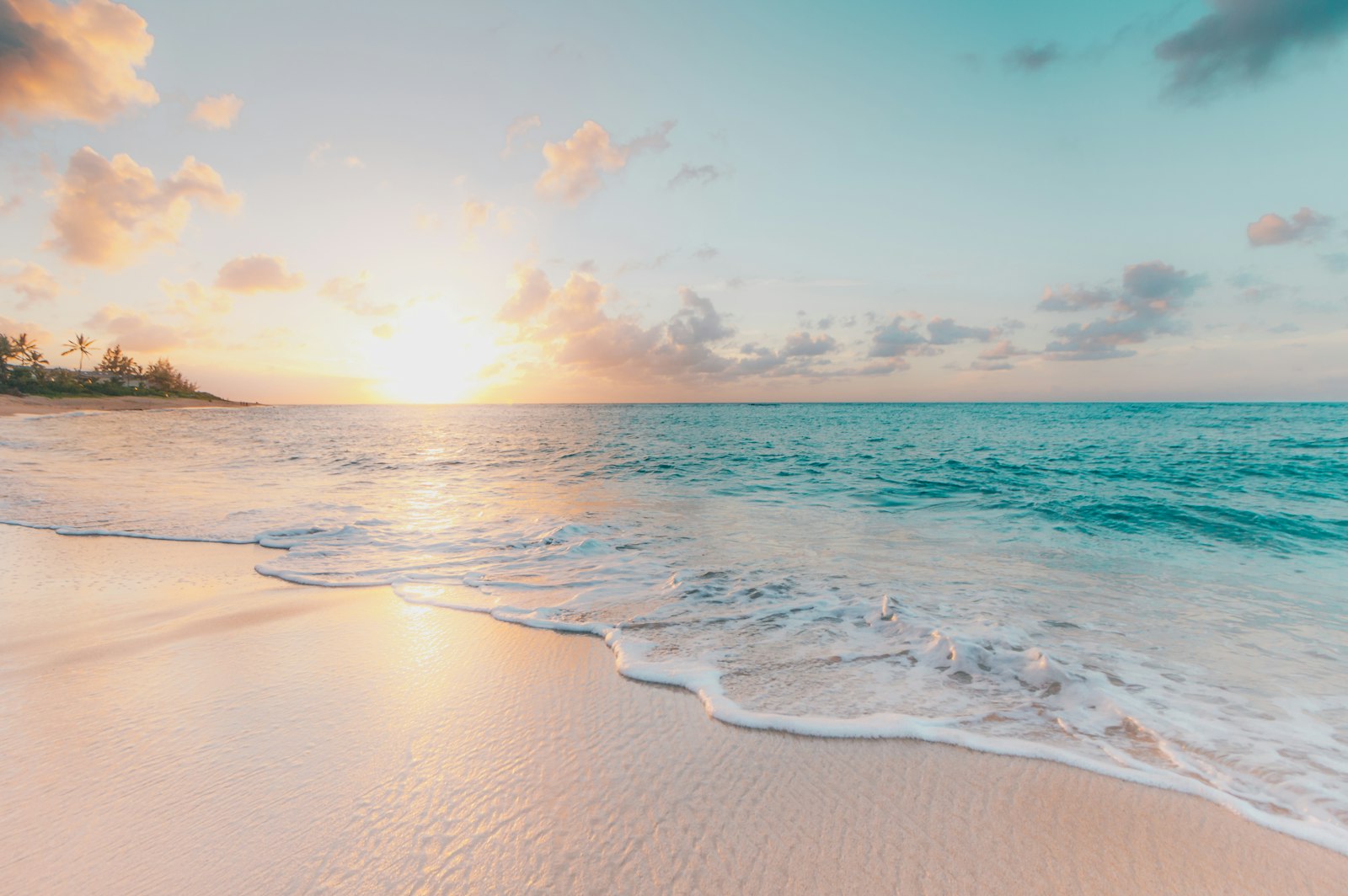
Hawaii Family Vacation Guide: The Best Islands for Kids
Destination: Hawaii
Category: guides
Hawaii Family Vacation Guide: The Best Islands for Kids
Hawaii is one of those destinations that delivers on its promise. The water really is that blue. The beaches really are that beautiful. The people really are that warm. And with kids, the experience adds a layer of wonder that's hard to find anywhere else.
The question isn't whether Hawaii works for families — it absolutely does. The question is which island, which activities, and how to pace it so the trip doesn't become a logistics nightmare.
Which Hawaiian Island is Best for Families?
Maui: The Best All-Around Family Island
Maui is the most family-friendly Hawaiian island for most families. Here's why:
The Road to Hana is one of the great family road trips in America — 64 miles of rainforest, waterfalls, and ocean views, with dozens of stops along the way. Kids of all ages love it. Pack snacks and plan a full day.
Snorkeling at Molokini Crater is accessible for kids as young as 5 with basic swimming ability. The visibility is extraordinary — 100+ feet on a clear day. This is often the highlight of the trip for kids.
Whale watching (December–April) is spectacular. Humpback whales come to Maui to breed and calve, and the numbers are extraordinary. Kids who see a 40-ton whale breach 50 feet from the boat don't forget it.
Beaches: Ka'anapali and Wailea are both excellent family beaches — calm water, good facilities, and lifeguards. Kapalua Bay is particularly calm and good for young swimmers.
Oahu: Best for First-Timers and History
Oahu has the most developed infrastructure, the most activities, and the most variety. It's the right choice for first-time Hawaii visitors.
Pearl Harbor is appropriate for kids 8 and up and is one of the most powerful historical experiences in the United States. The USS Arizona Memorial is moving and important.
North Shore in winter (October–February) has the world's biggest surfable waves. Even if you're not surfing, watching the professionals at Banzai Pipeline or Sunset Beach is extraordinary.
Waikiki is touristy but functional — excellent beach, lots of activities, and easy access to everything. Stay in Waikiki for convenience; explore the rest of the island by car.
Diamond Head hike is 1.6 miles round-trip with 560 feet of elevation gain — appropriate for kids 6 and up. The view from the summit is one of the best on Oahu.
Big Island: Best for Adventure and Nature
The Big Island is the most geologically active place on earth, and that's exactly what makes it extraordinary for families who want something beyond beaches.
Hawaii Volcanoes National Park is unlike anything else in the United States. Active lava flows (when accessible), lava tubes you can walk through, and landscapes that look like another planet. Kids are genuinely awed.
Manta ray night snorkel off the Kona coast is one of the most magical wildlife experiences in Hawaii. Mantas up to 14 feet wide glide beneath you in the lights. Appropriate for confident swimmers 8 and up.
Stargazing at Mauna Kea (13,796 feet) is extraordinary — some of the best stargazing in the world. The visitor center at 9,200 feet is accessible by regular car; the summit requires 4WD. Kids who are interested in astronomy will remember this forever.
Kauai: Best for Families Who Want to Slow Down
Kauai is the most natural and least developed of the major islands. It's right for families who want hiking, kayaking, and natural beauty over resort amenities.
Na Pali Coast is one of the most dramatic coastlines in the world. See it by boat (the right choice for families with young kids) or hike the Kalalau Trail (first 2 miles to Hanakapi'ai Beach is appropriate for kids 8+).
Waimea Canyon ("the Grand Canyon of the Pacific") is accessible by car and has viewpoints that are genuinely spectacular.
7-Day Maui Family Itinerary
Day 1: Arrival & Ka'anapali Beach
Arrive, check in, beach afternoon. Ka'anapali is a perfect introduction — calm water, beautiful setting, and the Black Rock snorkel area is accessible right from the beach.
Day 2: Road to Hana
Start early (7am). The Road to Hana is a full-day experience. Key stops: Twin Falls (easy walk, beautiful), Ke'anae Peninsula (dramatic ocean views), Wailua Falls (roadside, no hiking required), and Ohe'o Gulch (Seven Sacred Pools — short hike, swimming pools in the rocks). Return via the same road or continue around the south side (longer but avoids backtracking).
For toddlers: The Road to Hana works well with toddlers — most of the best stops are short walks or roadside. Bring snacks, a carrier, and patience.
Day 3: Molokini Snorkel Cruise
Book a morning snorkel cruise to Molokini Crater (departs from Ma'alaea Harbor, 7–8am). The crater is a partially submerged volcanic caldera with extraordinary visibility and abundant marine life. Most boats also stop at Turtle Town for sea turtle encounters.
For young kids: Most operators welcome children 5 and up. Life jackets and flotation devices are provided. Kids who aren't strong swimmers can use noodles and still see everything.
Afternoon: Wailea Beach, rest, sunset.
Day 4: Haleakalā Sunrise
This requires a 2am wake-up and a 1.5-hour drive to the summit (10,023 feet). It's worth it. Watching the sunrise from above the clouds at the summit of a dormant volcano is one of the great travel experiences.
Practical notes: Book the sunrise permit in advance (required, $1/vehicle, books out weeks ahead). It's cold at the summit — bring layers. Kids 5 and up handle it well; toddlers may be uncomfortable with the cold and altitude.
Afternoon: Sleep. Seriously.
Day 5: Whale Watching (seasonal) or Zipline
December–April: Book a whale watching tour. The humpback whale population in Maui waters is extraordinary; sightings are nearly guaranteed.
May–November: Zipline at Skyline Eco-Adventures or Piiholo Ranch. Both have family-appropriate lines with minimum age/weight requirements.
Day 6: Iao Valley & Lahaina
Morning: Iao Valley State Park. Short paved walk to the Iao Needle (a 1,200-foot rock spire). Beautiful, easy, appropriate for all ages.
Afternoon: Lahaina town. Historic whaling village with good restaurants, galleries, and the famous Banyan Tree (the largest in the United States, planted in 1873).
Day 7: Snorkel at Kapalua Bay & Departure
Kapalua Bay is the calmest, most protected beach on Maui — perfect for a final morning swim and snorkel. Sea turtles are frequently spotted here.
Practical Hawaii Family Tips
Sun protection: Hawaii's sun is intense. Reef-safe sunscreen (required by law), UPF rash guards for kids, and hats are essential. Reapply every 90 minutes.
Ocean safety: Hawaii's ocean is beautiful and powerful. Check conditions before swimming; never turn your back on the ocean. Stick to beaches with lifeguards for young kids.
Jet lag: Hawaii is 5–6 hours behind the mainland. Kids often wake at 4–5am for the first few days. Use this for early starts to popular sites (Haleakalā, Road to Hana) and plan for early bedtimes.
Car rental: Essential on every island. Book in advance; rates increase significantly closer to travel dates.
Build Your Custom Hawaii Family Itinerary
Use Wanderlust AI to create a personalized Hawaii itinerary based on which island you're visiting, your kids' ages, and your family's interests.